


Introduction
Bengali sweets are one of the most iconic dessert traditions in India, loved for their soft texture, milky richness, and delicate sweetness. These desserts are deeply rooted in cultural heritage and are an essential part of celebrations, hospitality, and festivals. From simple household treats to elaborate sweet shop creations, they reflect a perfect balance of taste and tradition. The uniqueness of bengali sweets lies in their use of fresh milk, chhena, and natural flavoring ingredients that create a melt-in-the-mouth experience. They are not just food items but emotional symbols of joy and togetherness. Over time, they have gained recognition across India and internationally for their craftsmanship and variety. Their popularity continues to grow as people appreciate traditional desserts with authentic flavors.
Historical Evolution of Bengali Desserts
The history of bengali sweets is deeply connected with Bengal’s cultural and culinary evolution. Centuries ago, sweets were mainly made using milk, jaggery, and flour, but the introduction of chhena revolutionized dessert making. This transformation allowed artisans to experiment with soft, spongy textures and syrup-based delicacies. During the Mughal and colonial eras, Kolkata emerged as a major hub for sweet innovation. Traditional sweet makers refined recipes that are still followed today. The balance between technique and creativity became the foundation of Bengal’s dessert culture. Over generations, families of sweet makers preserved their secret recipes, passing them down as valuable heritage. Today, these sweets stand as a symbol of culinary excellence that represents Bengal’s identity and tradition.
Variety and Diversity of Sweet Delicacies
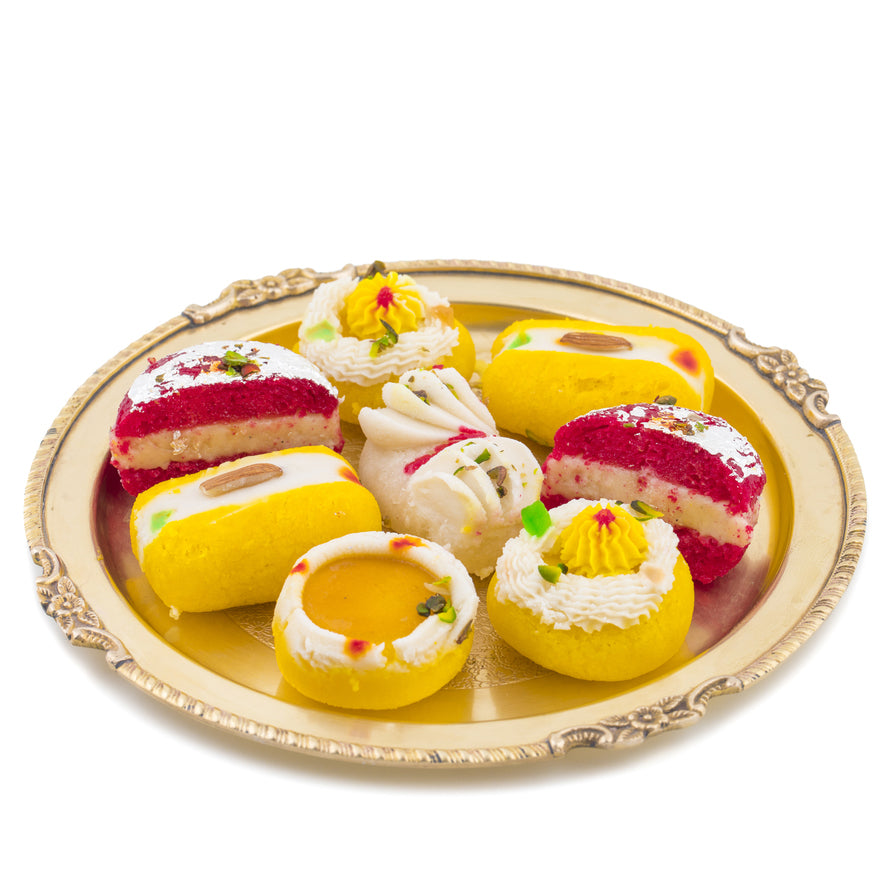
The range of bengali sweets is incredibly vast, offering something for every taste preference. From syrup-soaked delights to dry milk-based desserts, the variety is impressive. Popular options include rasgulla, sandesh, cham cham, and mishti doi. Each sweet has its own texture, preparation method, and flavor profile. Some are light and airy, while others are rich and creamy. Seasonal variations also play a role, with certain sweets prepared during specific festivals or weather conditions. Sweet shops in Bengal often display dozens of colorful and artistic creations, attracting locals and tourists alike. The creativity of artisans adds uniqueness to every piece, making each sweet visually appealing as well as delicious. This diversity is one of the main reasons these desserts remain timeless and widely loved.
Essential Ingredients Used in Traditional Recipes
The foundation of these desserts lies in simple yet high-quality ingredients. Milk is the most important component, often converted into chhena or khoya for different recipes. Sugar is used for sweetness and syrup preparation, especially in spongy desserts. Natural flavorings like cardamom, saffron, and rose water enhance aroma and taste. Some recipes also include flour or semolina for structure and binding. Fresh dairy is essential to achieve authentic texture and richness. Traditional preparation methods emphasize slow cooking to maintain flavor integrity. Despite minimal ingredients, the precision in technique creates extraordinary results. This combination of simplicity and craftsmanship makes these desserts stand out in the world of sweets.
Cultural Significance in Bengali Society
In Bengali culture, sweets are not just food but a symbol of love, respect, and celebration. They are an essential part of welcoming guests and expressing hospitality. Festivals, weddings, and religious ceremonies are incomplete without them. Sharing desserts strengthens social bonds and reflects unity within families and communities. They are also used as offerings in temples, highlighting their spiritual importance. Over time, bengali sweets have become a cultural identity for the people of Bengal. They represent joy, tradition, and emotional connection. Even in daily life, they hold a special place, often enjoyed after meals or during social gatherings. Their presence in literature and art further highlights their cultural depth and importance.
Role in Festivals and Celebrations
Festivals in Bengal are deeply connected with sweets and celebrations. During Durga Puja, Diwali, and other cultural events, families prepare and exchange a wide variety of desserts. Sweet shops become crowded with customers looking for traditional favorites and new creations. These festive moments highlight the importance of bengali sweets in bringing people together. Each festival has its own preferred desserts, such as sandesh during religious offerings or mishti doi during family gatherings. Preparation often becomes a shared activity among family members, adding joy to the occasion. The act of gifting sweets symbolizes goodwill, happiness, and prosperity. Without them, no celebration feels complete, making them an essential part of festive traditions.
Regional Specialties and Local Variations
Different regions of Bengal offer unique variations of traditional sweets. Kolkata is known for its innovative sweet shops that constantly create new flavors and designs. Rural areas often preserve traditional recipes that have been passed down for generations. Some regions specialize in softer textures, while others focus on richer and denser desserts. Seasonal ingredients like date palm jaggery are used in winter specialties. Local artisans experiment with shapes, fillings, and flavors to create distinct identities. These regional differences add depth and diversity to the dessert culture. Despite variations, the core essence remains the same—rich dairy flavor and delicate sweetness that define Bengal’s culinary heritage.
Preparation Techniques and Traditional Methods
The preparation of these desserts requires skill, patience, and attention to detail. The process usually begins with curdling milk to form fresh chhena, which is kneaded until smooth. This base is then shaped into different forms depending on the recipe. Some are boiled in sugar syrup, while others are baked or steamed. Temperature control plays a crucial role in achieving the right texture. Flavorings are added at specific stages to enhance aroma and taste. Traditional sweet makers rely on experience rather than measurement tools, which gives each creation a unique touch. Even small variations in technique can change the final outcome, making the process an art form rather than just cooking.
Famous Bengali Sweets and Their Unique Features

Among the many desserts, rasgulla is one of the most famous, known for its spongy texture and syrupy sweetness. Sandesh is another popular sweet made from fresh chhena, often flavored with cardamom or saffron. Mishti doi, a sweetened yogurt, offers a creamy and tangy flavor combination. Cham cham, laddoo variations, and kheer-based desserts also hold special places in traditional cuisine. Each sweet has its own identity and preparation style. These desserts are widely available in sweet shops across Bengal and beyond. Their popularity has made them symbols of Indian dessert culture globally, representing both tradition and innovation.
Modern Innovations and Changing Trends
In recent years, traditional desserts have evolved to match modern tastes and lifestyles. Chefs experiment with fusion flavors, combining traditional recipes with chocolate, fruit, and exotic ingredients. Health-conscious versions with reduced sugar or alternative sweeteners are also becoming popular. Presentation styles have become more artistic and visually appealing. Despite these innovations, the essence of traditional recipes remains intact. Social media has played a major role in increasing visibility and global appreciation. These desserts are now featured in restaurants worldwide, introducing global audiences to authentic Indian flavors. This blend of tradition and modernity ensures their continued relevance in changing times.
Health Perspective and Nutritional Value
While these desserts are known for their sweetness, they also contain nutritional value due to milk-based ingredients. They provide calcium, protein, and energy, making them a source of nourishment when consumed in moderation. However, sugar content can be high in some varieties, so balanced consumption is important. Homemade versions allow better control over ingredients and sweetness levels. Traditional methods avoid artificial additives, making them more natural compared to processed desserts. When enjoyed occasionally, they can be part of a balanced diet. Understanding portion control helps maintain both health and enjoyment.
Global Popularity and Recognition
Today, these desserts have gained international recognition and are enjoyed by people across the world. Indian restaurants abroad often include them in their menus, introducing global audiences to authentic flavors. Their unique texture and taste make them stand out among global desserts. Cultural festivals and food events further promote their popularity. Migration and globalization have helped spread awareness of traditional Indian sweets. As a result, they are now appreciated not just as regional delicacies but as part of global culinary heritage. Their growing demand reflects the universal appeal of simple yet flavorful desserts.
Conclusion
Bengali sweets represent a perfect blend of tradition, culture, and culinary artistry. From their historical roots to modern innovations, they continue to evolve while preserving their authentic essence. They play an important role in festivals, celebrations, and everyday life, symbolizing joy and togetherness. Their wide variety, unique preparation methods, and rich flavors make them timeless favorites. As they gain global recognition, they carry forward the legacy of Bengal’s rich dessert heritage. Ultimately, these sweets are not just food items but emotional expressions of happiness, culture, and tradition that continue to bring sweetness to life.