


Introduction
Finding meals that satisfy everyone at the table can feel like a daily challenge, especially when schedules are packed and energy is low. Easy dinner ideas for family meals are not just about saving time, they are about creating moments of connection, comfort, and consistency. When dinner becomes simple yet satisfying, families are more likely to gather, talk, and enjoy the experience instead of stressing over what to cook.
This article explores practical approaches to family dinners that focus on ease, flavor, and flexibility. From understanding what makes a dinner truly easy to planning meals that work for different tastes and ages, this guide is designed to help families cook with confidence and calm.
What Makes a Family Dinner Truly Easy
An easy family dinner is not defined by a single recipe or cooking style. It is shaped by how well the meal fits into everyday life. Simplicity often starts with familiar ingredients, straightforward preparation, and minimal cleanup. Meals that rely on pantry staples or basic fresh items reduce last-minute grocery trips and decision fatigue.
Another key factor is adaptability. Family dinners often need to accommodate picky eaters, dietary preferences, or varying portion sizes. Easy meals allow small adjustments without creating extra work. A base dish that can be served with different sides or toppings gives everyone a sense of choice while keeping the cooking process manageable.
Time is also central to the idea of ease. A dinner that can be prepared in under an hour, or one that allows for partial preparation earlier in the day, feels far more achievable on busy evenings. When cooking aligns with real schedules, it becomes a routine rather than a burden.
Why Easy Family Dinners Matter in Daily Life

Family dinners play an important role beyond nutrition. They offer a chance to slow down, share experiences, and maintain a sense of togetherness. When meals are complicated or stressful, this opportunity can easily be lost. Easy dinner ideas for family routines help protect this shared time by removing unnecessary pressure from the cook.
Consistency is another benefit. Families who rely on simple, repeatable meals are more likely to eat at home regularly. This consistency supports healthier habits, better budgeting, and stronger family connections. Over time, easy dinners create a rhythm that children and adults alike come to appreciate.
Ease also encourages participation. When meals are simple, other family members can help with preparation, setting the table, or cleanup. This shared responsibility reinforces teamwork and helps children build confidence and basic cooking skills.
Understanding Family Preferences and Needs
Every family is unique, and easy dinners should reflect that reality. Preferences are shaped by culture, tradition, age, and lifestyle. A meal that works perfectly for one household may not suit another, which is why flexibility is essential.
Start by observing patterns. Notice which meals disappear quickly and which ones leave leftovers untouched. Pay attention to textures, flavors, and portion sizes that appeal to different family members. These observations help guide future meal choices without relying on guesswork.
Dietary needs also play a role. Some families may prioritize vegetarian options, others may need gluten-free meals, and some may focus on high-protein dinners for active lifestyles. Easy meals respect these needs by using adaptable ingredients and straightforward substitutions that do not complicate the cooking process.
Planning Ahead Without Overcomplicating Things
Meal planning does not need to be rigid or time-consuming. In fact, overly detailed plans can become overwhelming and counterproductive. Simple planning focuses on themes rather than exact recipes. For example, assigning general categories to each night of the week creates structure while allowing flexibility.
Planning also helps reduce waste and save money. When ingredients are used across multiple meals, shopping becomes more efficient and leftovers are less likely to go unused. Easy family dinners often rely on ingredients that can be repurposed in different ways, making planning feel natural rather than restrictive.
Keeping a short list of trusted meals is another effective strategy. These are dinners that require little thought and consistently satisfy the family. Rotating these favorites ensures reliability while still leaving room to experiment occasionally.
Common Ingredients That Support Easy Cooking

Certain ingredients naturally lend themselves to quick and simple dinners. These items cook quickly, store well, and pair easily with other foods. Having them on hand reduces the mental effort required to decide what to cook each evening.
Fresh vegetables that require minimal prep, such as bell peppers, carrots, and zucchini, can be added to many dishes without much effort. Proteins like eggs, chicken, beans, and lentils are versatile and cook relatively quickly. Grains such as rice and pasta serve as neutral bases that can be flavored in countless ways.
Sauces and seasonings also play an important role. A small collection of reliable sauces allows simple ingredients to feel new and exciting without additional cooking steps. When used thoughtfully, these elements transform basic meals into comforting family favorites.
Table One: Time and Effort Comparison of Family Dinner Types
| Dinner Type | Average Prep Time | Cooking Time | Cleanup Level |
|---|---|---|---|
| One-pan meals | 10 minutes | 30 minutes | Low |
| Pasta-based dinners | 15 minutes | 25 minutes | Medium |
| Slow-cooker meals | 10 minutes | 4 to 6 hours | Low |
| Sheet-pan dinners | 15 minutes | 35 minutes | Low |
| Stir-fry meals | 20 minutes | 15 minutes | Medium |
This table highlights how different dinner styles align with busy family schedules. Meals that minimize cookware and preparation steps tend to feel easier and more sustainable over time.
Cooking Methods That Simplify Family Dinners
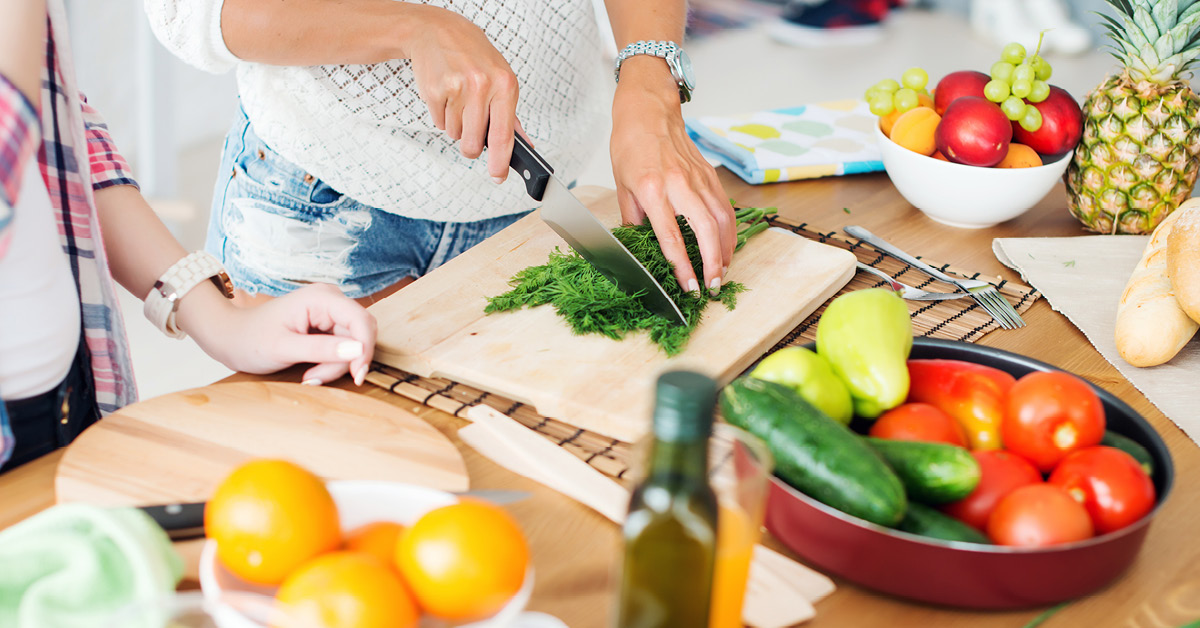
The method used to prepare a meal can be just as important as the ingredients themselves. Certain techniques are especially well suited to easy family cooking because they reduce active cooking time and allow for multitasking.
One-pan and sheet-pan cooking are popular because everything cooks together, creating balanced meals with minimal effort. Slow cooking is ideal for days when evenings are hectic, as meals can be prepared earlier and left to cook unattended. Stir-frying offers speed and flexibility, making it perfect for using up leftover vegetables and proteins.
Choosing the right method for the day’s schedule helps prevent last-minute stress. When cooking fits seamlessly into the rhythm of the household, dinner becomes something to look forward to rather than a chore.
Making Dinners Appealing to Both Kids and Adults
One of the biggest challenges in family cooking is finding meals that satisfy both children and adults. Easy dinners succeed when they strike a balance between familiar comfort and subtle variety. Dishes that allow components to be served separately often work well, as everyone can build their plate according to taste.
Flavor control is also important. Mild seasoning can be enhanced at the table with sauces or spices for adults who prefer bolder tastes. This approach avoids making multiple meals while still respecting individual preferences.
Presentation matters more than many people realize. Even simple meals feel more inviting when served thoughtfully. A colorful plate or a familiar favorite served in a new way can make a big difference, especially for younger eaters.
Table Two: Sample Weekly Structure for Easy Family Dinners
| Day | Meal Focus | Key Benefit |
|---|---|---|
| Monday | One-pan comfort meal | Minimal cleanup |
| Tuesday | Pasta or noodle dish | Familiar and filling |
| Wednesday | Slow-cooker dinner | Time saving |
| Thursday | Quick skillet meal | Flexible ingredients |
| Friday | Family favorite night | High satisfaction |
| Saturday | Leftovers or simple remake | Reduced waste |
| Sunday | Relaxed home-cooked meal | Family bonding |
This structure offers guidance without being restrictive. It allows families to plan ahead while staying flexible and responsive to changing needs.
Managing Busy Evenings Without Skipping Dinner
Busy evenings are a reality for many families, but they do not have to mean skipping home-cooked meals. Easy dinners are designed to fit into these moments rather than compete with them. Preparation can be spread throughout the day, with small tasks completed when time allows.
Keeping expectations realistic is essential. Not every dinner needs to be elaborate or perfectly balanced. What matters most is consistency and effort over time. Even simple meals contribute to a sense of routine and care.
Technology can also help. Timers, basic kitchen tools, and simple appliances streamline the cooking process and reduce the need for constant attention. When tools work with you instead of against you, cooking feels far less demanding.
Budget Friendly Approaches to Family Dinners
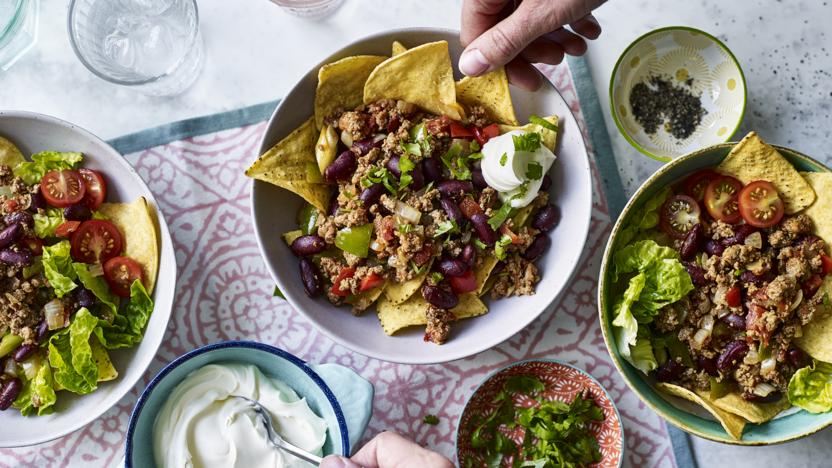
Ease and affordability often go hand in hand. Meals that rely on simple ingredients and straightforward preparation tend to be more cost effective. Planning meals around seasonal produce and staple items helps keep grocery bills predictable.
Cooking at home also allows for better portion control and reduced spending on takeout. Easy dinner ideas for family budgets focus on maximizing value without sacrificing enjoyment. Leftovers become assets rather than afterthoughts when they are intentionally incorporated into future meals.
Over time, these habits create financial breathing room and reinforce the idea that good food does not need to be expensive or complicated.
Building a Sustainable Family Dinner Routine
Sustainability in family cooking is about creating habits that can be maintained over the long term. This means choosing meals that fit your lifestyle, energy level, and resources. Easy dinners are sustainable because they respect limits and prioritize consistency over perfection.
Routine does not mean boredom. Small variations in seasoning, sides, or presentation keep meals interesting without adding complexity. The goal is to create a foundation that supports daily life rather than adding pressure.
When family dinners become a stable part of the week, they offer comfort and predictability in an otherwise busy world. This stability is one of the greatest benefits of embracing simplicity in cooking.
The Emotional Value of Simple Family Meals
Food is deeply connected to emotion and memory. Simple, familiar meals often carry more emotional weight than elaborate dishes prepared only on special occasions. Easy dinners become part of the family’s shared story, remembered not for their complexity but for the moments they supported.
These meals create a sense of safety and belonging. Sitting down to a familiar dinner at the end of a long day sends a powerful message of care and continuity. Over time, these moments accumulate into lasting memories that shape how family members view food and togetherness.
By focusing on ease, families protect the emotional value of dinner without letting stress overshadow the experience.
Conclusion: On Easy Dinner Ideas for Family Life
Easy dinner ideas for family routines are not about cutting corners or lowering standards. They are about aligning cooking with real life, honoring time constraints, and prioritizing connection over complexity. When meals are simple, they become more consistent, more enjoyable, and more meaningful.
The true success of a family dinner is not measured by presentation or variety but by the comfort and togetherness it brings. By embracing ease, families can turn everyday meals into reliable moments of nourishment and connection that support both body and spirit.
Read More:- Family Dinner Ideas for Meaningful Meals and Everyday Togetherness