
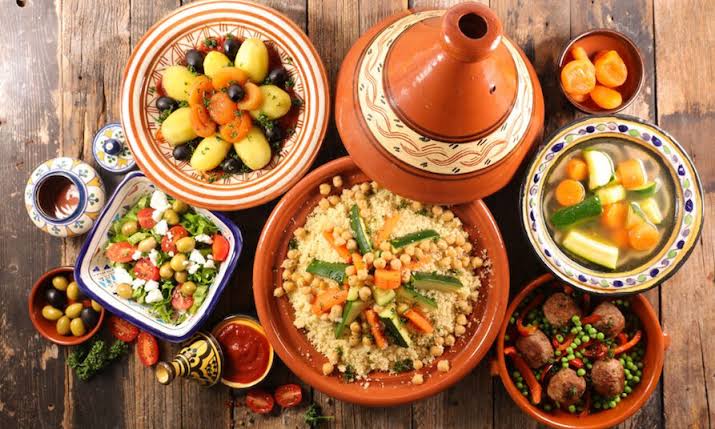

Morocco is a beautiful country known for its rich history, colorful markets, welcoming people, and delicious traditional cuisine. Food is an important part of Moroccan culture, bringing families and communities together through unique flavors, traditional recipes, and shared meals. For travelers looking to explore the country’s culinary heritage, Moroccan Food Experiences offer an unforgettable opportunity to discover authentic dishes and local traditions.
From aromatic tagines and freshly baked bread to traditional mint tea and flavorful street food, Moroccan cuisine offers something special for every food lover. Whether you are exploring the busy streets of Marrakech, visiting traditional markets, or enjoying a homemade meal with locals, every culinary experience introduces you to a different side of Morocco.
1. Discover Traditional Moroccan Tagine
Tagine is one of the most famous dishes in Moroccan cuisine. It is prepared in a traditional clay cooking pot and slowly cooked with fresh ingredients, aromatic spices, vegetables, and meat.
Popular varieties include chicken with preserved lemons and olives, lamb with prunes, and vegetable tagine. The slow-cooking process allows the ingredients to blend together, creating rich flavors and tender textures.
Trying an authentic tagine at a local restaurant or traditional Moroccan home is an excellent way to experience the country’s culinary heritage.
2. Explore the Flavors of Moroccan Street Food
Morocco’s street food culture is full of exciting flavors and traditional specialties. Local food stalls, especially in Marrakech, provide an excellent opportunity to discover everyday Moroccan dishes.
Some popular street food options include:
- Msemen:A traditional layered flatbread often served with honey or butter.
- Sfenj:A delicious Moroccan doughnut that is crispy outside and soft inside.
- Harira:A flavorful soup prepared with tomatoes, lentils, chickpeas, and herbs.
- Babbouche:Traditional snail soup seasoned with aromatic herbs and spices.
- Grilled Kebabs:Freshly grilled meat served with bread and local seasonings.
Exploring local street food stalls allows visitors to experience authentic Moroccan flavors while enjoying the lively atmosphere of traditional markets.
3. Enjoy a Traditional Moroccan Mint Tea Ceremony
Moroccan mint tea is more than just a refreshing drink; it represents hospitality, friendship, and generosity.
Prepared with green tea, fresh mint leaves, and sugar, this traditional beverage is commonly served to guests at homes, restaurants, and cultural gatherings.
The preparation and serving process is an important part of Moroccan tradition. Tea is often poured from a height into small glasses to create a light foam on top.
Enjoying mint tea in a traditional Moroccan setting provides a wonderful opportunity to appreciate the country’s hospitality and customs.
4. Visit Traditional Moroccan Food Markets
Traditional Moroccan markets, known as souks, are among the most exciting places for food lovers.
These colorful markets feature fresh vegetables, seasonal fruits, aromatic spices, olives, nuts, dried fruits, and traditional baked goods.
Visitors can explore local ingredients, interact with vendors, and discover the products commonly used in Moroccan cooking.
Marrakech’s Medina and Jemaa el-Fnaa are particularly popular destinations for exploring local food culture and discovering traditional specialties.
5. Experience Authentic Moroccan Cooking Classes
Taking part in a Moroccan cooking class is a fantastic way to learn more about the country’s culinary traditions.
Many cooking experiences introduce visitors to traditional recipes, local ingredients, and the techniques used in Moroccan kitchens.
Participants may learn how to prepare chicken tagine, vegetable couscous, traditional salads, or Moroccan pastries.
Cooking classes often include visits to local markets, where participants can select fresh ingredients before preparing their meals. This hands-on experience allows travelers to take a little piece of Moroccan culture home with them.
6. Taste Traditional Moroccan Couscous
Couscous is another essential part of Moroccan cuisine. Traditionally prepared using steamed semolina grains, it is often served with vegetables, chickpeas, and tender meat.
Friday is traditionally associated with family couscous meals in many Moroccan households.
The dish reflects the importance of sharing food and spending time with family. Trying freshly prepared couscous in a local restaurant or traditional home is a memorable culinary experience.
7. Discover Morocco’s Traditional Desserts
Moroccan cuisine also offers a wonderful selection of sweet treats and pastries.
Some popular desserts include:
- Chebakia:Fried sesame pastries coated with honey.
- Kaab el Ghazal:Delicate crescent-shaped pastries filled with almond paste.
- Briouats:Small pastry parcels that can be filled with almonds and sweet ingredients.
- Sellou:A traditional roasted flour and sesame-based sweet mixture.
These desserts are often enjoyed during celebrations, family gatherings, and religious occasions.
8. Enjoy a Local Food Tour in Marrakech
Marrakech is one of the best destinations for discovering Moroccan culinary traditions. Its historic Medina, lively food markets, and traditional restaurants provide countless opportunities to sample authentic local dishes.
Joining a guided food tour can help travelers discover hidden eateries, taste regional specialties, and learn interesting stories about Moroccan food culture.
From freshly prepared street snacks to traditional meals, a culinary tour offers a deeper understanding of the city’s traditions and everyday lifestyle.
Tips for Enjoying Moroccan Food Experiences
To make the most of your culinary journey in Morocco, keep these helpful tips in mind:
- Try traditional dishes instead of choosing familiar international meals.
- Visit busy local food stalls where ingredients are freshly prepared.
- Explore traditional markets to discover authentic Moroccan ingredients.
- Ask local guides about regional specialties and traditional recipes.
- Respect local dining customs and hospitality traditions.
- Inform restaurants about any allergies or dietary requirements.
- Choose safely prepared food and drink bottled or properly treated water.
Final Thoughts
Morocco offers an incredible culinary journey filled with traditional flavors, unique ingredients, and welcoming hospitality. Exploring Moroccan Food Experiences allows travelers to discover more than just delicious dishes; it provides an opportunity to understand the country’s culture, traditions, and way of life.
Whether you are tasting traditional tagine, exploring vibrant food markets, enjoying Moroccan mint tea, or learning to prepare local recipes, every experience creates lasting memories.
For anyone planning a trip to Morocco, exploring its culinary heritage should be an essential part of the travel itinerary. The country’s food traditions offer a wonderful way to connect with local culture and experience the authentic taste of Morocco.