


Few cuisines in India are as closely associated with desserts as the culinary heritage of Bengal. From soft, syrup-soaked delicacies to creamy milk-based treats, bengali sweets have earned worldwide recognition for their delicate flavors, traditional preparation methods, and artistic presentation. Unlike many desserts that rely heavily on refined flour or artificial flavors, most Bengali confections highlight fresh milk, chhena (Indian cottage cheese), jaggery, and aromatic ingredients like cardamom and saffron.
The popularity of Bengali desserts has grown significantly over the years. Today, sweet shops across India and even international cities proudly serve classic Bengali specialties. Modern consumers can also order these desserts online with improved packaging and faster delivery, making them accessible far beyond West Bengal. Despite evolving tastes and healthier alternatives, traditional recipes continue to hold a special place during festivals, weddings, religious celebrations, and family gatherings.
The enduring appeal of bengali sweets lies in their perfect balance of simplicity and craftsmanship. Every dessert tells a story of regional culture, seasonal ingredients, and generations of culinary expertise that have been carefully preserved.
What Makes Bengali Sweets Unique?
The identity of Bengali desserts revolves around dairy. Fresh chhena forms the base for many iconic sweets, creating textures that range from soft and spongy to dense and creamy. Unlike desserts from many other regions, Bengali sweets generally emphasize light sweetness rather than excessive sugar, allowing the natural richness of milk to shine through.
Another distinguishing feature is the use of seasonal ingredients. During winter, sweets prepared with date palm jaggery (nolen gur) become especially popular because of their deep caramel-like flavor. Similarly, festivals inspire limited-edition recipes featuring fresh fruits, nuts, or flavored syrups. This seasonal approach keeps the tradition dynamic while preserving authenticity.
History of Bengali Sweets
The evolution of bengali sweets reflects centuries of culinary innovation. Earlier Bengali desserts primarily consisted of rice, coconut, jaggery, and milk preparations. The widespread use of chhena became more common during the colonial period, when cheesemaking techniques introduced by Portuguese settlers influenced local cooking.
Over time, Bengali confectioners transformed simple cottage cheese into countless unique desserts. Skilled sweet makers experimented with cooking temperatures, sugar syrup consistency, and kneading techniques to produce distinctive textures. These innovations eventually gave rise to famous sweets that are now recognized across India and internationally.
Today, many traditional sweet shops continue to use recipes passed down through multiple generations, preserving craftsmanship while adapting to modern food safety and packaging standards.
Popular Bengali Sweets Everyone Should Try
Many varieties have become synonymous with Bengali cuisine, each offering its own unique flavor and texture.
| Sweet | Main Ingredients | Texture | Best Occasion |
|---|---|---|---|
| Rasgulla | Chhena, sugar syrup | Soft and spongy | Festivals and celebrations |
| Sandesh | Chhena, sugar | Soft and mildly sweet | Daily dessert |
| Mishti Doi | Sweetened yogurt | Creamy | Meals and special occasions |
| Cham Cham | Chhena, syrup | Juicy and chewy | Family gatherings |
| Pantua | Khoya, chhena | Rich and syrupy | Weddings |
| Rajbhog | Stuffed chhena | Soft with filling | Festive celebrations |
| Kheer Kadam | Chhena, khoya | Soft with layered texture | Gift boxes |
| Nolen Gurer Sandesh | Chhena, date palm jaggery | Soft and aromatic | Winter season |
These desserts showcase the incredible diversity within Bengali confectionery, proving that a few core ingredients can produce remarkably different results.
Rasgulla – The Global Ambassador
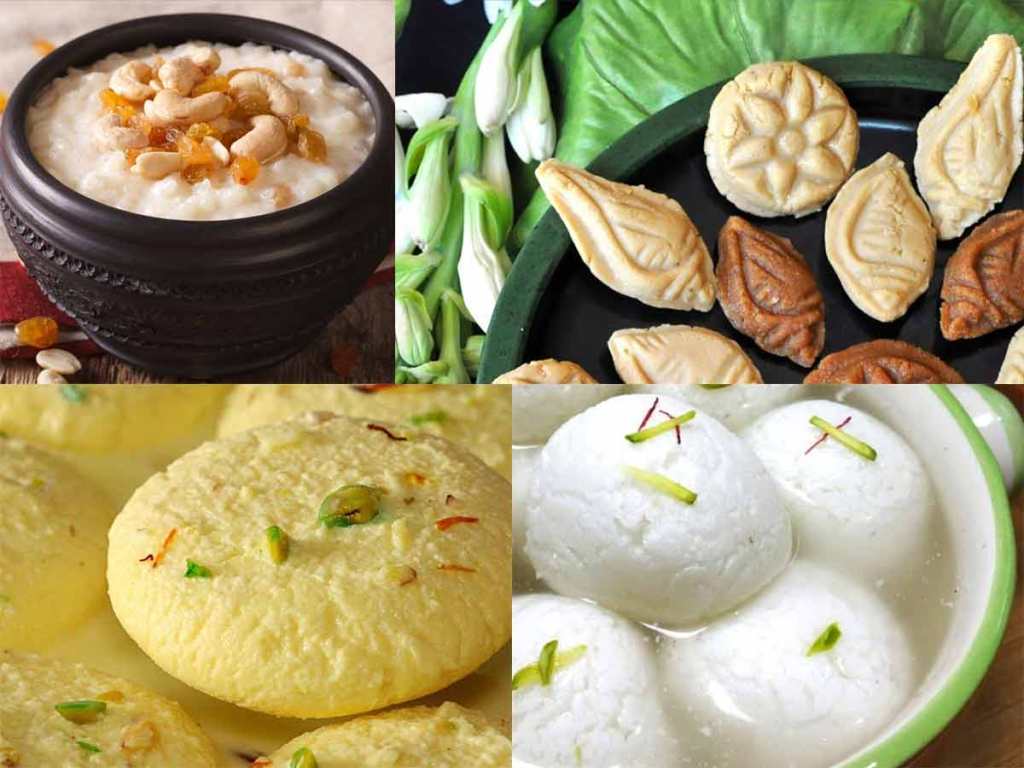
Among all bengali sweets, Rasgulla remains the most internationally recognized. Prepared from freshly kneaded chhena balls cooked in light sugar syrup, it is appreciated for its airy texture and delicate sweetness.
Modern production techniques have allowed Rasgullas to be canned and exported worldwide without losing much of their original taste. They are commonly served during birthdays, religious ceremonies, weddings, and festive occasions because they symbolize happiness and prosperity.
Sandesh – Elegance in Simplicity
Sandesh demonstrates how minimal ingredients can create exceptional flavor. Unlike syrup-based desserts, Sandesh is prepared by gently cooking fresh chhena with sugar until it develops a smooth consistency.
Today’s confectioners have expanded traditional recipes by incorporating pistachios, almonds, mango, chocolate, saffron, rose, and seasonal fruits. Despite these innovations, classic Sandesh remains the preferred choice for those seeking a lighter dessert with subtle sweetness.
Mishti Doi – Bengal’s Creamy Delight
Mishti Doi is another beloved specialty made by fermenting sweetened milk until it develops a naturally creamy consistency. Traditionally prepared in earthen pots, the dessert acquires a mild earthy aroma while excess moisture gradually evaporates.
Its cooling nature makes it especially popular during warmer months. Unlike heavily processed desserts, properly prepared Mishti Doi offers a balanced combination of sweetness and natural yogurt flavor, making it enjoyable after spicy meals.
Seasonal Specialties
Seasonality plays a major role in Bengali dessert culture. Winter is especially celebrated because fresh date palm jaggery becomes available, transforming ordinary sweets into seasonal delicacies.
Popular winter favorites include:
- Nolen Gurer Sandesh
- Nolen Gur Rasgulla
- Joynagar Moa
- Patishapta
- Pithe varieties
These limited-season desserts are eagerly awaited every year and often sell out quickly due to their unique flavor profiles.
Ingredients Commonly Used
Although recipes differ, several ingredients consistently define bengali sweets.
- Fresh chhena
- Full-fat milk
- Sugar or date palm jaggery
- Cardamom, saffron, nuts, and rose water
- Khoya and condensed milk in selected recipes
The freshness of dairy ingredients largely determines the final quality. Skilled confectioners therefore prepare many sweets daily rather than storing them for extended periods.
Cultural Importance of Bengali Sweets
Desserts occupy a central place in Bengali traditions. Whether celebrating Durga Puja, Kali Puja, weddings, birthdays, naming ceremonies, or religious rituals, sweets are considered symbols of goodwill and prosperity.
Offering sweets to guests is deeply rooted in Bengali hospitality. Families often exchange beautifully packed sweet boxes during festivals as expressions of affection and celebration. Even business meetings and social visits frequently begin with the serving of traditional desserts alongside tea.
This emotional connection has helped preserve traditional recipes despite changing lifestyles and increasing availability of international desserts.
Modern Trends in Bengali Sweets
The modern dessert industry has embraced innovation while respecting tradition. Health-conscious consumers have encouraged manufacturers to introduce reduced-sugar options, baked sweets, and smaller serving sizes.
Premium packaging has also transformed the gifting experience. Attractive boxes with extended shelf life allow customers to send sweets across cities and even internationally. Online ordering platforms have further expanded accessibility, enabling people to enjoy authentic Bengali desserts without visiting West Bengal.
Many contemporary chefs are experimenting with fusion recipes that combine traditional sweets with cakes, pastries, cheesecakes, ice creams, and chocolates. These innovations appeal to younger audiences while maintaining the essence of traditional flavors.
Nutritional Perspective
Most Bengali desserts are prepared using milk and dairy products, making them sources of calcium and protein. However, they also contain sugar, making moderation important.
Consumers looking for balanced indulgence can choose smaller portions or lower-sugar varieties now offered by many sweet shops. Desserts prepared with natural jaggery are also gaining popularity among people seeking alternatives to refined sugar, although they should still be enjoyed in moderation.
How to Choose High-Quality Bengali Sweets
Freshness is the most important factor when purchasing bengali sweets. High-quality desserts should have a pleasant dairy aroma, soft texture, and balanced sweetness rather than an overpowering sugary taste.
Reputed sweet shops usually prepare fresh batches daily and maintain proper refrigeration for dairy-based products. Checking the preparation date and consuming fresh sweets within the recommended time helps preserve both flavor and food safety.
Bengali Sweets Around the World
The popularity of Bengali desserts has spread well beyond India. Indian communities across North America, Europe, the Middle East, Southeast Asia, and Australia regularly enjoy traditional sweets during cultural festivals and family celebrations.
Advances in preservation technology have enabled exporters to maintain quality while extending shelf life. As global interest in Indian cuisine continues to grow, authentic bengali sweets are increasingly appearing in international dessert menus and specialty food stores.
:max_bytes(150000):strip_icc()/rasgulla-indian-dessert-1957839-hero-01-7c3528a2d34a4f1b9248c7483a73d0a6.jpg)
FAQs
What are the most famous Bengali sweets?
Some of the most popular bengali sweets include Rasgulla, Sandesh, Mishti Doi, Cham Cham, Pantua, Rajbhog, Kheer Kadam, and Nolen Gurer Sandesh. Each dessert offers a unique texture and flavor while sharing a common foundation of fresh dairy ingredients.
Why are Bengali sweets made with chhena?
Chhena provides a soft, delicate texture that distinguishes Bengali desserts from many other Indian sweets. Its versatility allows confectioners to create syrup-based, dry, stuffed, and flavored desserts with remarkable variety.
Are Bengali sweets healthy?
These desserts provide calcium and protein because of their milk content, but they also contain sugar. Enjoying moderate portions and choosing freshly prepared or lower-sugar options can help maintain a balanced diet.
Which Bengali sweet is best during winter?
Nolen Gurer Sandesh and Nolen Gur Rasgulla are among the most sought-after winter specialties because they are prepared using fresh date palm jaggery, which is available only during the colder months.
How should Bengali sweets be stored?
Most dairy-based sweets should be refrigerated and consumed within a few days for the best flavor and freshness. Syrup-based sweets generally have a slightly longer shelf life but should also be stored according to the manufacturer’s recommendations.
Conclusion
The timeless charm of bengali sweets lies in their ability to combine tradition, craftsmanship, and exceptional flavor. Whether it is the delicate softness of Rasgulla, the refined simplicity of Sandesh, or the creamy richness of Mishti Doi, every dessert reflects Bengal’s rich culinary heritage. As consumer preferences evolve, traditional recipes continue to adapt through healthier ingredients, premium packaging, and creative fusion concepts without losing their authentic identity.
Read More:-Kanti Sweets: Menu, Popular Sweets & Latest Price Guide