


Introduction
The seemingly simple inquiry of “whats for dinner?” has more importance than it seems at first. People say it in kitchens, text it to each other, and think about it quietly throughout long workdays. This question may seem normal, yet it stands for food, care, routine, creativity, and sometimes tension. In today’s world, choosing what to eat every night is both a practical requirement and an emotional experience that is affected by time, money, culture, and personal taste. We can see dinner as an opportunity instead of a chore if we understand why this question is important.
Why “Whats for Dinner” Is a Daily Problem
A lot of people inquire whats for dinner without thinking about all the things that affect the response. The final choice is based on how tired you are after work, what ingredients you have, what you want to eat, and what your family expects. Planning meals every day can be tiring, especially when routines start to feel boring. But this problem also encourages new ideas. If you think about it carefully, the daily decision might be a time to think and set goals instead of getting angry.
The Emotional Side of Whats for Dinner

Food is very closely linked to feelings and memories. People typically want comfort as much as calories when they inquire what’s for supper. A meal you know can make you feel safe, while a new dish can make you feel excited. This one question is what started all the conversations, laughing, and quiet times at the table. Understanding the emotional significance of planning supper might change how we see the process and help us make better decisions.
Routine and the Meaning of Traditional Meals
For generations, families have lived on regular dinners. Simple meals that are made over and over again become traditions that help people get through their daily lives. Some meals are so predictable that you already know whats for dinner before you ever ask. These dinners save time and stress while making things feel more stable. Routines can be monotonous at times, but they also provide us a sense of security in a world that is always changing.
Being Creative While Answering “Whats for Dinner?”
When routines are gently broken, creativity typically comes forth. You may make traditional foods taste new by adding a new spice, attempting a different way to cook them, or rethinking how to use leftovers. The question of what’s for supper becomes a chance to try new things. You don’t need to be complicated or have expensive ingredients to be creative. Small tweaks can make cooking fun again and ignite interest without making the cook feel overwhelmed.
Planning’s Role in Whats for Dinner
Planning is really important for lowering the stress that comes with deciding what to have for supper every day. When you prepare your meals ahead of time, you don’t have to worry about whats for dinner. Planning helps you eat a balanced diet, shop more efficiently, and make better use of your time. It also makes things more flexible because you can change your planned meals based on how you feel or what happens without having to start over.
Eating Well and Staying Balanced at the Dinner Table
Dinner is frequently the biggest meal of the day, thus it’s crucial for your health to have a balanced meal. Thinking on what to have for dinner can help your health as a whole. A balanced meal usually has proteins, carbs, and veggies in it, which provide you energy and make you feel full. You don’t have to be flawless, but being conscious of balance can help make sure that supper is good for your health and fun.
| Dinner Category | Emotional Appeal | Practical Benefit |
|---|---|---|
| Comfort Meals | Familiarity and warmth | Easy preparation |
| Quick Meals | Relief and convenience | Time saving |
| Family Recipes | Connection and nostalgia | Shared enjoyment |
| New Experiments | Excitement and curiosity | Skill development |
| Light Dinners | Calm and balance | Easier digestion |
This table shows how different kinds of dinners meet both emotional and practical demands. It shows that whats for dinner isn’t only about hunger; it’s also about feeling satisfied on many levels.
How Culture Affects Whats for Dinner
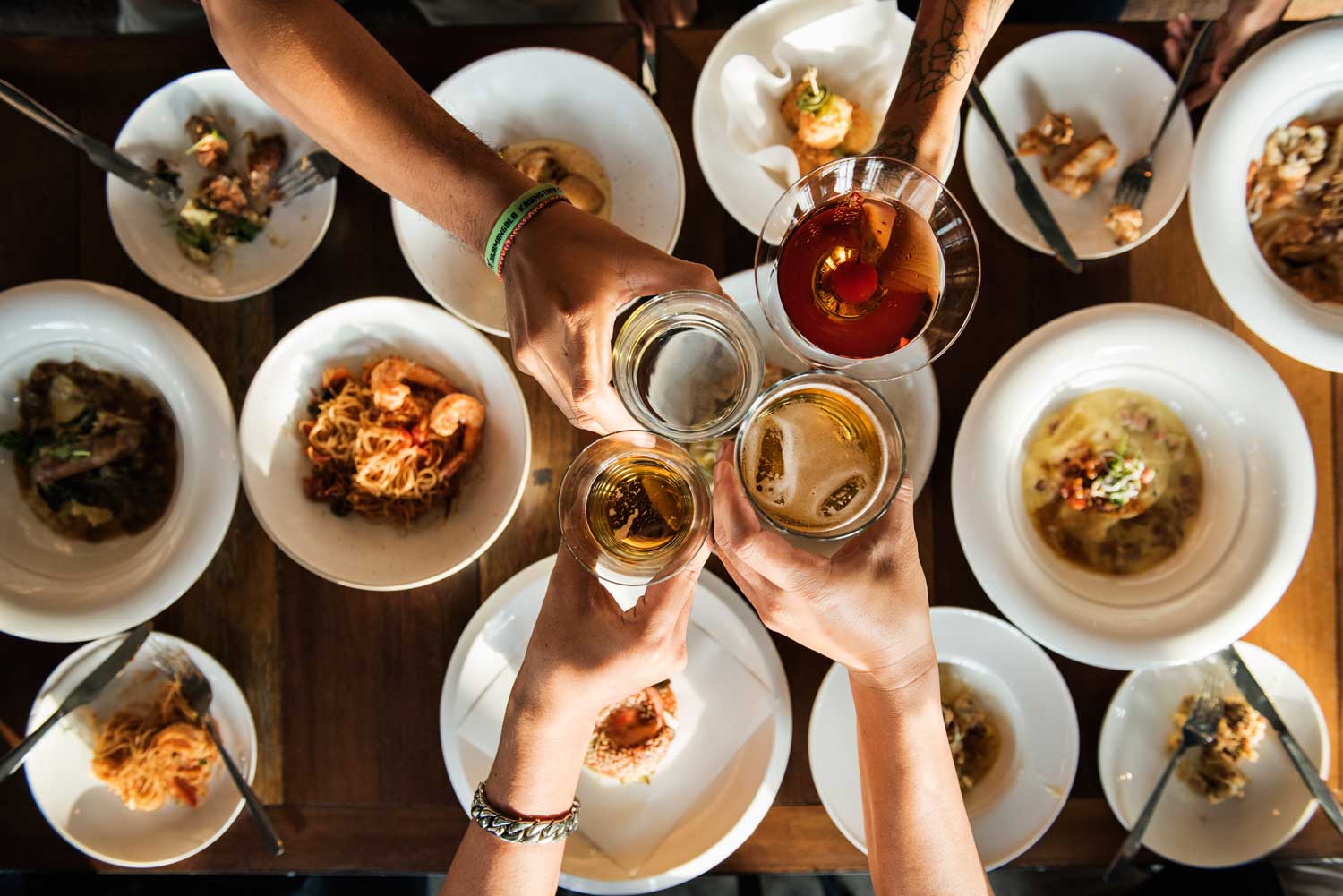
Culture has a big impact on how people answer the question “whats for dinner?” Different parts of the world put more emphasis on different foods, tastes, and ways of eating. Cultural customs often tell people what is okay to eat at dinner. These things affect what people like and expect, which makes supper a mirror of who they are. Trying new cultural foods can help you see things from other points of view and make your meals more interesting.
How Family Dynamics Affect Dinner Choices
When there are a lot of people in a house, everyone has to agree on what to eat for supper. You need to think about preferences, allergies, and timetables. Sometimes you have to give in, and getting family members involved in planning might help avoid fights. When everyone has a say, mealtime becomes a shared responsibility instead than a source of stress.
Making Smart Choices with Your Budget
Budget is a big part of planning supper. People commonly answer the question of “whats for dinner?” based on how much money they have. You can produce dinners that are both cheap and tasty by making smart choices like using seasonal ingredients, cooking at home, and being careful about how much you eat. Being conscious of your finances can help you be creative and inventive, showing that you don’t have to spend a lot of money to eat well.
Managing Your Time and Eating Dinner at Night

Time is one of the most prevalent things that get in the way of fun dinners. It’s hard to think about whats for dinner when you work long hours and have a lot to do. It can help to use good cooking methods and have reasonable goals. Dinner doesn’t have to be fancy all the time. Sometimes the best answer is to keep things simple so you have more time to relax and connect.
| Available Time | Dinner Approach | Overall Experience |
|---|---|---|
| 15 Minutes | Simple and minimal | Stress-free |
| 30 Minutes | Balanced and fresh | Satisfying |
| 45 Minutes | Home-style cooking | Comforting |
| 60 Minutes | Creative preparation | Rewarding |
| Weekend Time | Slow and intentional | Memorable |
This table shows how the amount of time you have affects what you eat for supper and helps you set reasonable expectations when you inquire whats for dinner.
Thinking about the Seasons and Getting Ideas for Dinner
Seasonal foods can frequently provide you natural ideas for what to make for dinner. Eating with the seasons keeps meals interesting all year long by giving you new things to try. Thinking on the seasons makes the question of what’s for supper easier by limiting options to what is fresh and accessible. This method also helps the environment and often makes food taste better.
The Social Part of Dinner
Dinner is usually the most social meal of the day. It brings people together after a long time apart. Sharing food helps people talk to each other and makes their relationships stronger. When individuals inquire whats for dinner, they can be looking forward to the time they spend together as much as the meal. Recognizing that supper is a social ritual will help you stop trying to be perfect and just be there.
Less Stress Through Easier Dinners

Dinner can be stressful if you have too many expectations. It might be freeing to stop thinking that every meal has to be great. Simple dinners can be just as good for you and important. It’s easier to answer the issue of whats for dinner when there’s less stress, and it makes the whole thing more fun.
How to Learn and Grow in the Kitchen
You can learn something new at every dinner. Cooking helps you improve, whether it’s by learning a new skill or getting better at tasting food. Asking “whats for dinner?” over and over again becomes part of the learning process. As you gain experience, you get more confident, which helps you make decisions faster and more naturally.
Planning Dinner with Technology
People plan their dinners differently now that they have modern technologies. It’s easier to plan meals when you can write down notes, set reminders, and store ideas. Technology can make it easier to decide what to make for supper, which gives you more energy for fun and creativity. When used correctly, technology helps instead of replacing personal intuition.
Mindfulness and Dinner Time

Being mindful makes supper a time to connect with yourself. Being present when cooking and eating food makes you appreciate it more. Mindfulness helps you make choices that are in line with your current requirements instead of what other people expect when you inquire what’s for supper. This method makes people happier and less likely to feel bad about their choices.
Changing Whats for Dinner Over Time
Dinner habits vary as life changes. Schedules, tastes, and priorities change throughout time, therefore you need to be flexible. The answer to “whats for dinner today?” may be very different from what it was in the past. Accepting change keeps dinner current and helpful at all phases of life.
Conclusion: Changing Whats for Dinner
It’s not just a logistical problem to ask whats for dinner. It shows how you live, what you believe, how you feel, and who you are with. Dinner can be a source of comfort instead of worry if you plan it, be creative, and be open to change. Instead of being afraid of the inquiry, you might see it as an opportunity to feed both your body and your connection. By changing how we answer the question “whats for dinner?” we also change how we take care of ourselves and those we eat with.
Read More:- Taco Bell Menu Guide: Full Overview of Flavors, Items, and Value