


Introduction
Understanding what is considered red meat is important for nutrition, health planning, and everyday food choices. Red meat has played a central role in human diets for thousands of years, providing protein, iron, and essential nutrients that support growth and energy. Despite its long history, confusion still exists around which meats qualify as red meat and how they differ from white meat or processed meat. The definition matters not only for culinary purposes but also for health recommendations, dietary guidelines, and cultural traditions.
When people hear the term red meat, they often think only of beef or steak. However, the category is broader and includes several animal sources that share similar biological and nutritional characteristics. Knowing what is considered red meat helps clarify food labels, understand dietary advice, and make informed choices based on personal health goals.
The Scientific Definition of What Is Considered Red Meat
From a scientific and nutritional standpoint, what is considered red meat depends primarily on the type of muscle fibers found in the animal. Red meat comes from mammals whose muscles contain higher levels of myoglobin, a protein responsible for storing oxygen in muscle cells. Myoglobin gives meat its darker, red color, especially when raw.
Because mammals rely on endurance and sustained movement, their muscles require more oxygen storage. This biological trait explains why beef, lamb, pork, and similar meats are classified as red meat even if their cooked color changes. Pork, for example, may appear light when cooked, but it remains red meat by scientific definition due to its myoglobin content.
This classification differs from poultry and fish, which have lower myoglobin levels and therefore fall into the white meat category. Understanding this distinction is essential when interpreting nutritional advice or dietary studies that refer to red meat consumption.
Common Examples That Explain What Is Considered Red Meat
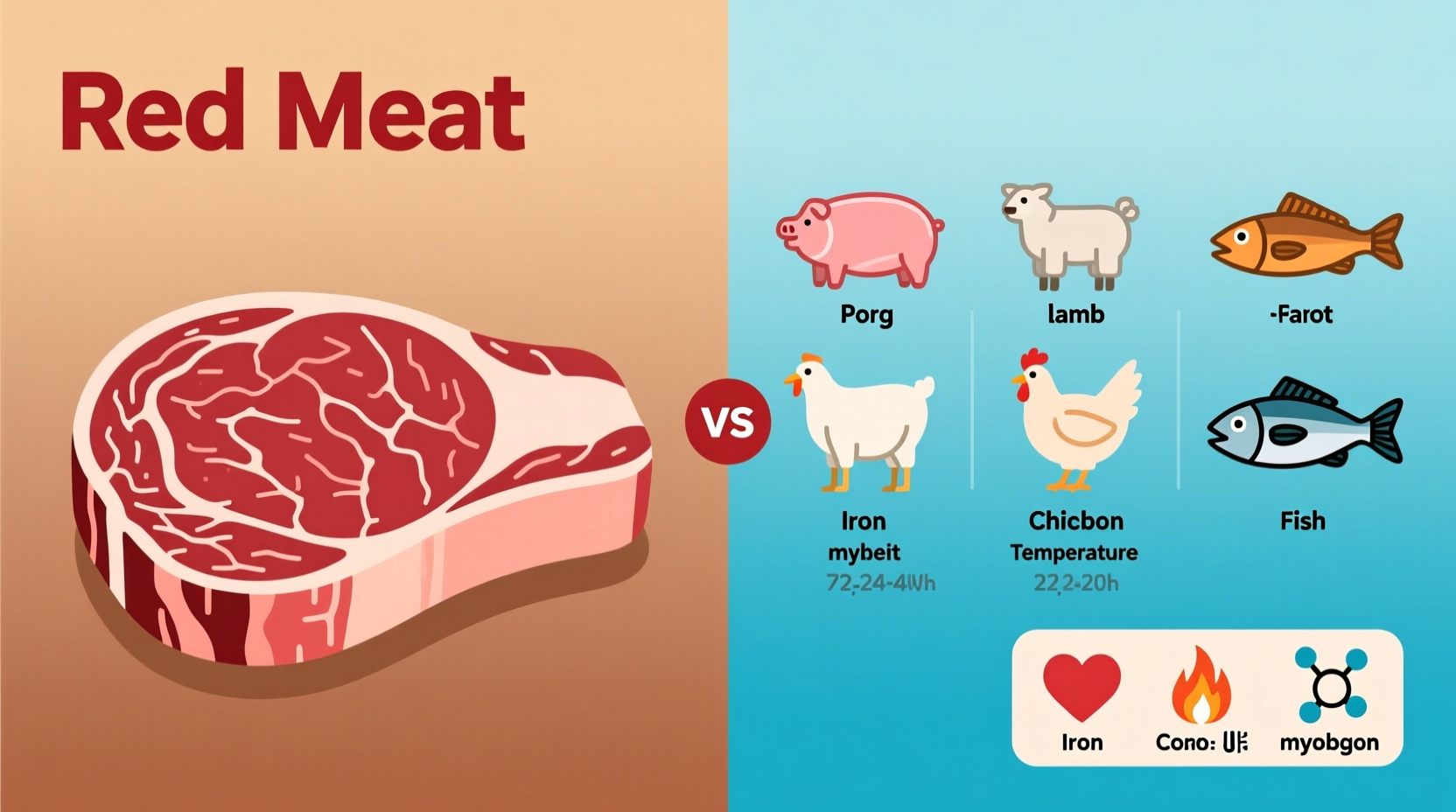
To better understand what is considered red meat, it helps to look at common examples consumed worldwide. Beef is the most widely recognized red meat and comes from cattle. Lamb and mutton, sourced from sheep, are also classic examples and are staples in many traditional cuisines. Pork, although often misunderstood, is scientifically classified as red meat because it comes from a mammal and contains significant myoglobin levels.
Other less commonly discussed red meats include goat, venison, and rabbit. These meats may not be part of everyday diets in all cultures, but they still fall under the red meat category. Each type has its own flavor profile, fat content, and nutritional composition, yet they all share the biological traits that define red meat.
The table below summarizes widely consumed red meats and their animal sources.
| Red Meat Type | Animal Source |
|---|---|
| Beef | Cattle |
| Pork | Pig |
| Lamb | Sheep |
| Goat | Goat |
| Venison | Deer |
| Rabbit | Rabbit |
These examples clarify that red meat is not limited to one or two familiar options but represents a broader group of mammalian meats.
How Red Meat Differs From White Meat
A key part of understanding what is considered red meat is knowing how it differs from white meat. White meat typically comes from poultry such as chicken and turkey, as well as fish and seafood. These animals have muscles that rely on quick bursts of activity rather than sustained endurance, resulting in lower myoglobin levels.
The difference is visible in raw meat color. Red meat appears dark red or purplish, while white meat looks pale pink or light beige. Nutritionally, red meat generally contains higher amounts of iron, zinc, and vitamin B12 compared to white meat. White meat, on the other hand, often has lower fat content and fewer calories, especially when skinless.
Cooking methods also influence perception. When cooked, red meat may turn brown or gray, while white meat becomes opaque white. Despite these changes, the biological classification remains unchanged.
Nutritional Profile and What Is Considered Red Meat
One reason people ask what is considered red meat is because of its nutritional impact. Red meat is dense in nutrients that play vital roles in the human body. It is an excellent source of complete protein, meaning it contains all essential amino acids required for muscle repair and overall health.
Iron found in red meat is heme iron, which is more easily absorbed by the body compared to non-heme iron found in plant foods. This makes red meat particularly important for individuals at risk of iron deficiency, such as athletes or those with increased nutritional needs. Red meat also provides zinc, selenium, phosphorus, and several B vitamins, especially vitamin B12, which supports nerve function and red blood cell production.
The table below highlights key nutrients commonly found in red meat.
| Nutrient | Role in the Body |
|---|---|
| Protein | Muscle growth and repair |
| Iron | Oxygen transport in blood |
| Vitamin B12 | Nerve health and red blood cells |
| Zinc | Immune system support |
| Selenium | Antioxidant function |
These nutritional benefits explain why red meat has been valued in diets across cultures and history.
Cultural and Culinary Importance of Red Meat
Across the globe, red meat holds cultural significance that goes beyond nutrition. Many traditional dishes rely on beef, lamb, or pork as their main ingredient. From slow-cooked stews to grilled cuts, red meat has shaped regional cuisines and culinary identities.
In some cultures, red meat is associated with celebration and hospitality. Special occasions often feature large cuts of meat prepared with care and shared among family and friends. In others, red meat plays a symbolic role in rituals and religious traditions. Understanding what is considered red meat helps preserve these culinary practices while also allowing individuals to adapt them to modern dietary preferences.
Cooking methods for red meat vary widely, including roasting, grilling, braising, and slow cooking. Each method brings out different textures and flavors, demonstrating the versatility of red meat in the kitchen.
Health Considerations Around What Is Considered Red Meat

Health discussions frequently mention what is considered red meat because of its potential impact when consumed in excess. Red meat can be part of a balanced diet when eaten in moderation and prepared thoughtfully. Lean cuts provide valuable nutrients without excessive saturated fat.
However, overconsumption of fatty red meat may contribute to health concerns such as elevated cholesterol levels. This has led many health organizations to recommend moderation rather than elimination. Choosing lean cuts, controlling portion sizes, and balancing meals with vegetables and whole grains can help maintain a healthy dietary pattern.
It is also important to distinguish fresh red meat from processed meat. Processed meats often contain added preservatives and sodium, which can alter their health impact. Understanding this difference is crucial when evaluating dietary advice.
Fresh Red Meat Versus Processed Red Meat
When exploring what is considered red meat, it is necessary to differentiate between fresh and processed forms. Fresh red meat refers to cuts that have not been preserved through smoking, curing, or chemical additives. Examples include fresh beef steaks, pork chops, or lamb roasts.
Processed red meat includes products that have undergone preservation methods such as curing or smoking. While these still originate from red meat sources, their nutritional profile changes due to added salt and preservatives. This distinction is important for dietary planning and understanding food labels.
Fresh red meat retains more of its natural nutrient balance, while processed varieties often require mindful consumption. Recognizing this difference helps individuals make informed choices based on their health goals.
Environmental and Ethical Perspectives on Red Meat
Another reason people ask what is considered red meat relates to environmental and ethical discussions. Livestock farming has environmental impacts, including land use and resource consumption. As awareness grows, many consumers seek to understand their food sources more deeply.
Some people choose to reduce red meat intake for environmental reasons, while others support sustainable farming practices that prioritize animal welfare and responsible land management. Understanding what qualifies as red meat allows consumers to align their dietary choices with their personal values.
These conversations continue to shape modern food systems and influence how red meat is produced and consumed worldwide.
How to Include Red Meat in a Balanced Diet
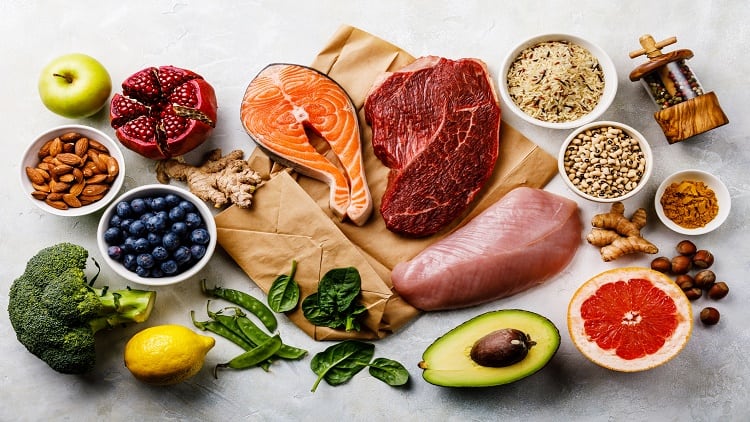
Knowing what is considered red meat allows for better meal planning and dietary balance. Red meat does not need to be eliminated to maintain health. Instead, thoughtful inclusion can provide essential nutrients while supporting overall wellness.
Pairing red meat with fiber-rich vegetables, whole grains, and healthy fats creates balanced meals. Portion awareness is also key, as smaller servings can deliver nutritional benefits without excess calories or fat. Cooking methods such as grilling or roasting without heavy sauces help preserve flavor while reducing unnecessary additions.
By understanding red meat’s role and characteristics, individuals can enjoy it responsibly as part of a diverse diet.
Conclusion: Understanding What Is Considered Red Meat
In summary, understanding what is considered red meat involves recognizing its biological origin, nutritional profile, and cultural significance. Red meat comes from mammals and contains higher levels of myoglobin, giving it its distinctive color and nutrient density. Common examples include beef, pork, lamb, goat, and venison, all of which contribute valuable nutrients when consumed mindfully.
Distinguishing red meat from white meat, fresh from processed varieties, and balanced from excessive intake allows for informed dietary decisions. Whether chosen for nutrition, tradition, or enjoyment, red meat remains an important part of global food culture. Knowing exactly what qualifies as red meat empowers individuals to make choices that fit their health goals and personal values while appreciating its long-standing role in human history.
Read More:- Is Red Meat Bad for You? Science, Health Benefits, and Risks