


Kurkure momos have become one of the most popular street food innovations in recent years. Traditional steamed momos have long been loved for their soft wrapper and juicy filling, but food lovers wanted something crispier and more indulgent. That demand gave rise to kurkure momos, where steamed dumplings are coated with a crunchy layer, deep-fried until golden, and tossed with flavorful seasonings or spicy sauces. The result is a snack that combines the comfort of classic momos with an irresistible crispy texture.
Today, kurkure momos are available at roadside stalls, cafés, food courts, and even premium restaurants. Social media has also played a major role in their popularity, with food creators showcasing cheesy, spicy, and loaded versions that quickly attract millions of views. Whether you’re a student looking for a quick bite or someone exploring new street food trends, this crispy delicacy has become a favorite across India.
Beyond their crunchy exterior, these momos are highly customizable. Different fillings, sauces, and coatings allow vendors to create unique flavors, making them suitable for people with varying taste preferences. Their growing popularity reflects the increasing demand for creative fusion foods that combine traditional recipes with modern twists.
What Are Kurkure Momos?
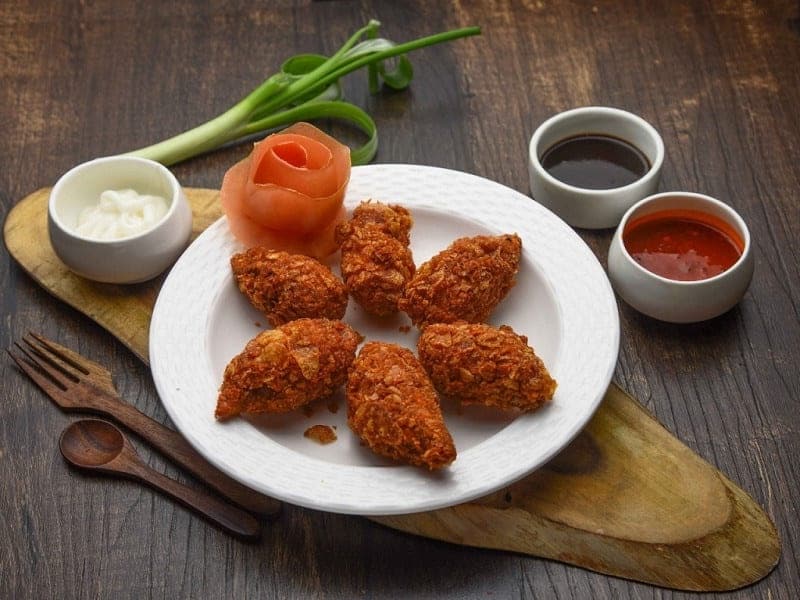
Kurkure momos are steamed dumplings that receive an extra coating before being fried until crisp. Unlike ordinary fried momos, they are usually covered in crushed cornflakes, breadcrumbs, crushed chips, or specially seasoned coating mixtures to create an exceptionally crunchy texture.
The inside generally contains vegetables, paneer, chicken, or mixed fillings seasoned with garlic, ginger, black pepper, soy sauce, and herbs. Once fried, the crispy dumplings are often served with spicy red chutney, mayonnaise, Schezwan sauce, or creamy cheese dips. The combination of crunchy coating, soft filling, and bold flavors makes them stand out from regular momos.
Why Kurkure Momos Are So Popular
The popularity of kurkure momos isn’t accidental. Modern consumers enjoy foods that deliver multiple textures and bold flavors in every bite. These crispy dumplings satisfy that craving while remaining affordable and widely available.
Another reason behind their success is their versatility. Vendors constantly experiment with sauces, seasonings, and toppings to create exciting new versions. Viral food trends featuring cheese-loaded, tandoori, peri-peri, and spicy garlic variations have further increased demand, especially among younger audiences.
Many small food businesses have also added kurkure momos to their menus because they require relatively simple ingredients while offering attractive profit margins. Their visual appeal and satisfying crunch make them perfect for social media content, encouraging even more customers to try them.
Ingredients Used
Although recipes vary, most versions include similar ingredients.
| Ingredient | Purpose |
|---|---|
| Momos (vegetable or chicken) | Main filling |
| Cornflour or batter | Helps coating stick |
| Breadcrumbs or crushed cornflakes | Creates crispy texture |
| Oil | Deep frying |
| Garlic and ginger | Flavor enhancement |
| Soy sauce | Umami taste |
| Red chili sauce | Spicy flavor |
| Mayonnaise or cheese dip | Serving accompaniment |
Fresh vegetables, quality meat, and balanced seasonings contribute significantly to the overall taste. Many vendors now also offer healthier fillings using mushrooms, tofu, or mixed vegetables.
How Kurkure Momos Are Prepared
The preparation begins with making traditional momos filled with seasoned vegetables or meat. These dumplings are first steamed until cooked completely. After cooling slightly, they are dipped into a light batter prepared from flour, cornflour, and spices.
Next comes the signature step. The coated momos are rolled in breadcrumbs, crushed cornflakes, or another crunchy mixture before being deep-fried until they develop an even golden-brown crust. Some restaurants finish them by tossing them in spicy sauces or seasoning powders, while others serve them plain with flavorful dips.
Proper frying temperature is important because excessively hot oil can burn the coating while leaving the inside less appealing. When cooked correctly, the outer layer becomes crunchy while the filling remains moist and flavorful.

Popular Variations
Food vendors continuously introduce new versions to attract customers. Some have become especially popular across cities.
- Cheese Kurkure Momos
- Paneer Kurkure Momos
- Chicken Kurkure Momos
- Schezwan Kurkure Momos
- Peri-Peri Kurkure Momos
These variations allow customers to enjoy different flavor profiles without changing the basic preparation method.
Nutritional Value
Since kurkure momos are deep-fried, they generally contain more calories than steamed momos. However, their nutritional value depends on the filling, coating, and cooking method.
Vegetable-filled momos typically provide dietary fiber, vitamins, and minerals, while chicken versions offer additional protein. Using fresh ingredients and moderate oil improves their overall nutritional profile. Air frying instead of deep frying has also become increasingly popular among health-conscious home cooks.
Although they can be enjoyed occasionally as a snack, frequent consumption of heavily fried foods should be balanced with fruits, vegetables, whole grains, and regular physical activity.
Tips for Making Perfect Kurkure Momos at Home
Preparing restaurant-style kurkure momos at home is easier than many people expect. The key lies in using fresh fillings, maintaining proper coating consistency, and frying at the correct temperature.
- Steam the momos completely before coating.
- Use crushed cornflakes or fresh breadcrumbs for extra crunch.
- Fry in medium-hot oil for even browning.
- Serve immediately for the best crispy texture.
Homemade preparation also allows better control over ingredients, spice levels, and oil quality, making the snack both delicious and more customizable.
Best Sauces to Serve With Kurkure Momos
The right sauce significantly enhances the eating experience. Traditional spicy momo chutney remains the most popular choice because its smoky heat complements the crispy coating. However, many people also enjoy mayonnaise mixed with garlic, chili flakes, or herbs for a creamy contrast.
Schezwan sauce, peri-peri dip, mint yogurt sauce, and spicy cheese sauce are equally popular accompaniments. Restaurants often serve multiple dips together, allowing customers to experiment with different flavor combinations. This flexibility has contributed greatly to the growing appeal of kurkure momos among food enthusiasts.
Are Kurkure Momos Healthy?
Compared to steamed momos, kurkure momos contain more fat because of the frying process. That doesn’t necessarily make them unhealthy when enjoyed occasionally as part of a balanced diet. Portion size, cooking oil quality, and ingredient freshness all influence their nutritional value.
People looking for healthier alternatives can prepare them in an air fryer or bake them with a light coating instead of deep frying. Using whole-wheat wrappers, vegetable-rich fillings, and low-fat dips further improves their nutritional profile while maintaining much of their signature crunch.
Kurkure Momos in Today’s Food Scene
The Indian fast-food market continues evolving rapidly, and kurkure momos perfectly represent this trend. Consumers increasingly seek fusion dishes that combine familiar flavors with innovative cooking techniques. Food delivery platforms have further expanded their reach, allowing customers to enjoy these crispy snacks without visiting street stalls.
Cloud kitchens, cafés, and quick-service restaurants now offer premium versions featuring mozzarella cheese, Korean sauces, spicy garlic butter, and even loaded toppings. Limited-time seasonal flavors and customizable spice levels have also become common, reflecting changing consumer preferences and growing competition in the street food industry.
The popularity of food blogging and short-form videos has encouraged vendors to create visually appealing presentations, making crispy momos one of the most photographed street foods today.
Frequently Asked Questions
What makes kurkure momos different from fried momos?
The biggest difference is the coating. Regular fried momos are simply deep-fried after steaming, while kurkure momos are coated with breadcrumbs, crushed cornflakes, or similar ingredients before frying, giving them a much crunchier texture.
Which filling is best for kurkure momos?
Vegetable, paneer, and chicken fillings are the most popular choices. The ideal option depends on personal preference, but fresh ingredients and balanced seasoning produce the best flavor.
Can I make kurkure momos without deep frying?
Yes. Air frying or baking offers healthier alternatives while still producing a reasonably crispy exterior. Although the texture may differ slightly, the overall taste remains enjoyable.
Which dip goes best with kurkure momos?
Spicy red momo chutney is the traditional favorite, but Schezwan sauce, garlic mayonnaise, mint yogurt dip, and cheese sauce are also excellent choices depending on your preferred flavor.
Are kurkure momos suitable for vegetarians?
Yes. Many versions use vegetable or paneer fillings, making them completely vegetarian. Always confirm the ingredients if ordering from restaurants or street vendors.
Conclusion
Kurkure momos have transformed from a simple street-food experiment into one of India’s most loved fusion snacks. Their crunchy coating, flavorful filling, and endless customization options make them appealing to people of all ages. Whether served with spicy chutney, creamy mayonnaise, or cheesy sauces, they offer a satisfying combination of textures and flavors that continues to attract food lovers.
As consumer preferences evolve, vendors are introducing healthier cooking methods and creative variations that keep this dish fresh and exciting. Enjoyed in moderation and prepared with quality ingredients, kurkure momos remain a delicious example of how traditional recipes can successfully adapt to modern tastes while preserving their original appeal.
Read More:-Bengali Sweets: Popular Varieties, History & Traditional Flavors