


Introduction to What Is Red Meat
Understanding what is red meat is essential for anyone interested in nutrition, health, and balanced eating. Red meat has been a core part of human diets for thousands of years, providing protein, iron, and energy that supported early civilizations. Even today, red meat remains one of the most discussed food categories, often praised for its nutritional density and sometimes criticized for its potential health risks. To fully understand its role, it is important to explore what is red meat, how it differs from other meats, and why it continues to be a topic of global debate.
The phrase what is red meat refers not only to the color of the meat before cooking but also to its biological composition. Red meat is typically darker due to the presence of myoglobin, a protein that stores oxygen in muscle cells. This characteristic distinguishes it from white meat and influences both its nutritional profile and culinary use.
The Scientific Definition of Red Meat
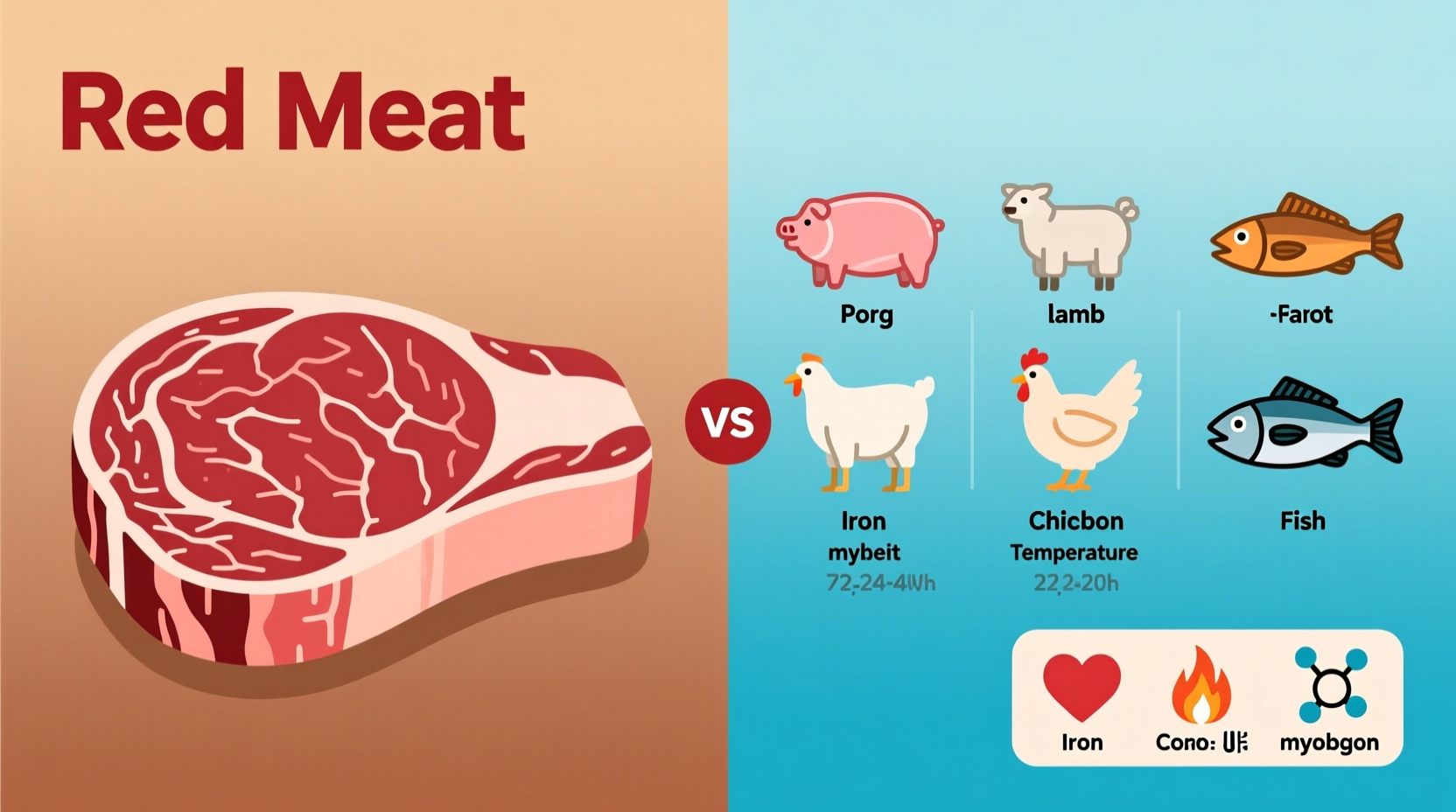
From a scientific perspective, what is red meat can be explained by muscle fiber composition and myoglobin concentration. Red meat comes from mammals and contains higher levels of myoglobin compared to poultry or fish. This protein gives the meat its deep red or purplish color when raw and a darker shade after cooking.
The classification of red meat is based on anatomy rather than cooking style or flavor. Whether the meat is grilled, roasted, or stewed does not change its classification. This definition helps nutritionists and health researchers clearly identify what is red meat when studying dietary patterns and health outcomes.
Common Types of Red Meat
To further clarify what is red meat, it helps to look at common animal sources. Red meat typically comes from mammals raised for food. These animals provide muscle tissue that is rich in protein, fat, and essential minerals.
Table 1: Common Sources of Red Meat and Their Characteristics
| Animal Source | Typical Color When Raw | Popular Culinary Uses |
|---|---|---|
| Beef | Deep red | Steaks, roasts, burgers |
| Lamb | Dark red | Chops, stews, grills |
| Goat | Reddish brown | Curries, slow cooking |
| Pork | Pinkish red | Roasts, ribs, sausages |
| Veal | Pale red | Cutlets, sautéed dishes |
Each of these sources fits within the definition of what is red meat due to muscle composition, regardless of how light or dark the meat appears after cooking.
Nutritional Composition of Red Meat
When discussing what is red meat, nutrition is one of the most important aspects. Red meat is nutrient-dense and provides several essential components that the human body needs for growth and maintenance.
Red meat is a high-quality protein source, meaning it contains all essential amino acids required by the body. It is also rich in iron, particularly heme iron, which is more easily absorbed than plant-based iron. Zinc, vitamin B12, selenium, and phosphorus are also found in significant amounts.
The fat content of red meat varies depending on the cut and animal. Some cuts are lean, while others contain higher levels of saturated fat. This variation plays a major role in how red meat affects health outcomes.
Table 2: Key Nutrients Found in Red Meat
| Nutrient | Function in the Body | Importance Level |
|---|---|---|
| Protein | Muscle repair and growth | Very high |
| Iron | Oxygen transport in blood | Very high |
| Vitamin B12 | Nerve function and DNA synthesis | High |
| Zinc | Immune support and healing | High |
| Selenium | Antioxidant defense | Moderate |
This nutritional profile explains why red meat has historically been valued in human diets and why understanding what is red meat matters in dietary planning.
Difference Between Red Meat and White Meat
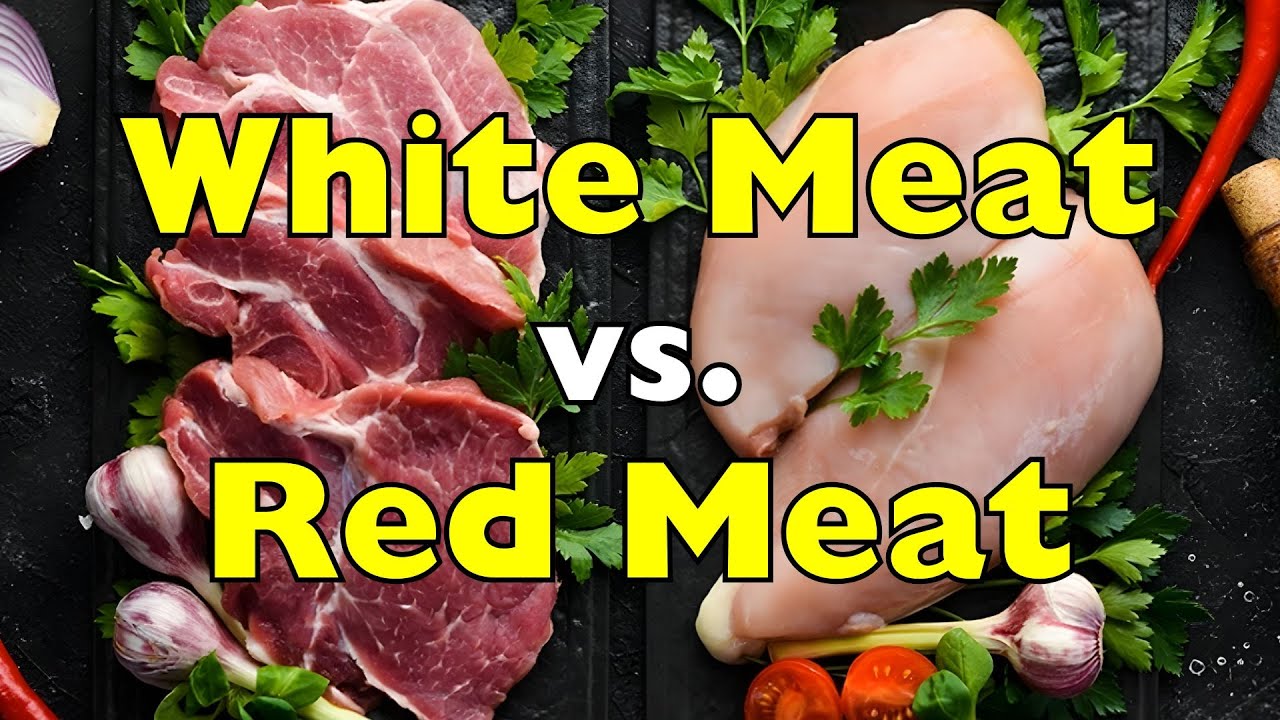
A common question related to what is red meat involves how it differs from white meat. White meat usually refers to poultry such as chicken and turkey. The main difference lies in muscle fiber type and myoglobin content.
Red meat contains more slow-twitch muscle fibers, which require more oxygen and therefore contain more myoglobin. White meat contains more fast-twitch fibers, resulting in a lighter color and different nutritional composition. These biological differences affect taste, texture, and cooking methods.
Understanding this distinction helps clarify what is red meat and why it behaves differently during cooking and digestion compared to white meat.
Role of Red Meat in Traditional Diets
Throughout history, red meat has played a significant role in traditional diets across cultures. Ancient hunters relied on red meat for survival, as it provided energy-dense nutrition that supported physical endurance. Many cultural dishes developed around red meat because it could be preserved through drying, smoking, or curing.
In many societies, red meat symbolized wealth and celebration. Feasts and festivals often featured beef, lamb, or goat as the centerpiece. These traditions contribute to the continued relevance of what is red meat in modern culinary practices.
Health Benefits of Eating Red Meat
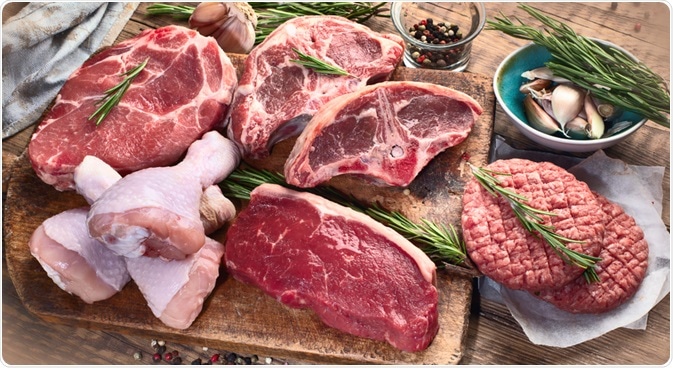
When consumed in appropriate amounts, red meat offers several health benefits. One of the key advantages is its contribution to muscle health due to its complete protein profile. Athletes and physically active individuals often rely on red meat to support muscle recovery.
Iron deficiency anemia is another condition where red meat can be beneficial. Because heme iron is easily absorbed, red meat helps maintain healthy red blood cell levels. Vitamin B12 found in red meat is essential for brain function and energy metabolism, especially for individuals who do not consume animal products regularly.
These benefits explain why discussions around what is red meat often include its positive nutritional impact when eaten mindfully.
Potential Health Risks Associated with Red Meat
While red meat has nutritional benefits, excessive consumption may pose health risks. Research has linked high intake of certain red meats to an increased risk of heart disease and some types of cancer. These risks are often associated with saturated fat content and cooking methods that produce harmful compounds.
Processed red meats, in particular, may contain preservatives and additives that contribute to health concerns. Understanding what is red meat also involves recognizing the difference between fresh and processed varieties and making informed dietary choices.
Moderation, portion control, and preparation methods play a crucial role in balancing benefits and risks.
Red Meat and Modern Dietary Guidelines
Modern dietary guidelines often recommend limiting red meat intake rather than eliminating it entirely. Nutrition experts emphasize balance, encouraging people to choose lean cuts and diversify protein sources.
The evolving conversation around what is red meat reflects changing lifestyle patterns, environmental considerations, and health research. Many people now approach red meat consumption with greater awareness, integrating it into diets alongside vegetables, grains, and legumes.
Cooking Methods and Their Impact on Red Meat

Cooking methods significantly affect the nutritional quality of red meat. High-temperature cooking can create compounds that may be harmful when consumed frequently. Slower cooking methods tend to preserve nutrients and reduce the formation of unwanted substances.
Understanding what is red meat also includes knowing how preparation techniques influence its health effects. Proper cooking ensures safety while maintaining flavor and nutritional value.
Cultural and Economic Importance of Red Meat
Red meat continues to hold cultural and economic significance worldwide. Livestock farming supports millions of livelihoods, and red meat production contributes to global food systems. In many regions, red meat remains a primary protein source due to availability and tradition.
The global conversation about what is red meat increasingly includes sustainability and ethical considerations. These factors shape how societies view red meat consumption in the future.
Red Meat in a Balanced Lifestyle
Incorporating red meat into a balanced lifestyle requires mindful choices. Selecting lean cuts, controlling portion sizes, and pairing red meat with nutrient-rich foods can help maintain overall health.
Understanding what is red meat allows individuals to make informed decisions based on personal health goals, cultural preferences, and nutritional needs.
Conclusion: Understanding What Is Red Meat Today
What is red meat is a question that goes beyond simple definition. It encompasses biology, nutrition, culture, and health. Red meat is a valuable source of essential nutrients, yet it requires balanced consumption to minimize potential risks.
By understanding what is red meat, individuals can appreciate its role in human history while adapting its consumption to modern health guidelines. This informed approach ensures that red meat remains a meaningful and responsible part of the diet.
Read More:- Is Pork Red Meat? Understanding Pork, Nutrition, and Classification