
:max_bytes(150000):strip_icc()/no-cook-dinners-antipasto-salad-0922FOO-3ae7a4ef2ffd43d8b650edc51f778dc3.jpg?w=1500&resize=1500,1000&ssl=1 "What to Make for Dinner: Easy, Comforting, and Timeless Ideas")

Introduction
One of the most common problems families face every day is figuring out what to serve for dinner. After a full day of responsibility, work, and mental exhaustion, the question often comes up out of nowhere and needs to be answered right away. Dinner is more than simply a meal; it’s the time when the day slows down, families get together, and food becomes both physical and emotional. Knowing how to organize dinner with confidence can make nights go from stressful to enjoyable.
This article looks at the deeper significance behind dinner choices, gives you practical ideas for varied lifestyles, and gives you smart ways to help you select what to make for dinner without getting angry. By the end, dinner won’t feel like a chore anymore; it’ll feel like a familiar routine that helps you stay healthy.
The Emotional Side of Choosing What to Cook for Dinner

Dinner decisions are hard because they are based on care, habit, and expectation. Dinner is a big deal for a lot of people. It is generally the one meal that people anticipate to be satisfying, balanced, and shared. It can feel like a bigger deal than it is to ask everyone to cook something they will like.
When deciding what to make for dinner, feelings like nostalgia, comfort, and even guilt can play a role. It could feel safe to eat something you know, but attempting something new might feel dangerous. Knowing this emotional layer helps you relax and makes mealtime a time to be nice to yourself and others.
Getting to Know Your Family’s Dinner Schedule
Dinner should fit in with the routine of each home. Some families do better with set meal plans, while others like to be able to change them. It’s important to know how much time, energy, and interest there is around meals.
When evenings are busy at home, simple dinners that don’t take long to make are usually preferable. Dinner could be a time to try new things or be creative in quieter homes. When you know your routine, it’s easy to choose what to make for dinner without comparing your options to unrealistic ones.
How Culture and Tradition affect What you Eat for Dinner
Dinner customs are greatly affected by culture. People often choose traditional dishes that have been passed down through the centuries because they are familiar and comforting. Most of the time, these dishes use easy-to-follow steps and ingredients that you can count on.
Cultural traditions might help you decide what to serve for supper. A lot of individuals go back to the way they used to eat meals without even realizing it, even when they try new flavors. Instead of fighting this impact, you may make dinner planning feel more natural and important by accepting it.
The Key to Better Dinners Is to Keep It Simple
One of the best strategies to lower tension over dinner is to keep things simple. You don’t have to make every meal look or taste great. Simple meals are typically more satisfying because they are easier to make and eat.
When simplicity is the most important thing when deciding what to serve for supper, the focus changes from perfection to nutrition. When made with care and purpose, a simple mix of grains, vegetables, and protein may be just as satisfying as a complicated meal.
How Time Affects Dinner Choices
One of the most important things that affects what you eat for dinner is how much time you have. The amount of time you have affects not only what you can make, but also how much fun it will be to cook.
Quick meals keep you from getting frustrated on days when you don’t have much time. When you have extra time, cooking slowly might be relaxing. Knowing how time impacts your energy can help you make supper decisions that are more realistic than ideal.
Making plans ahead of time without losing flexibility
People often say that planning ahead can help with dinner stress, but plans that are too strict might have their own problems. Planning is not about being in charge; it’s about being free. A flexible strategy gives you a sense of direction while also letting you change things up depending on how you feel and what’s going on.
Instead of thinking about particular recipes, it can be helpful to think about themes when planning what to serve for dinner. This method makes it easy to make decisions while still allowing for flexibility inside a familiar framework.
Table One: Typical Dinner Situations and the Best Ways to Handle Them
| Dinner Situation | Best Approach | Overall Benefit |
|---|---|---|
| Very busy weekday evening | Simple one-pan or quick-cook meals | Saves time and reduces stress |
| Relaxed evening at home | Comfort-focused or slow-cooked dishes | Encourages relaxation and enjoyment |
| Family dinner with mixed preferences | Familiar, customizable meals | Keeps everyone satisfied |
| Solo dinner night | Easy, personal favorite dishes | Supports self-care and ease |
This table shows how making supper selections that fit with actual life makes the process easier and more fun.
Food Without Overthinking Dinner

Nutrition might make it hard to decide what to serve for dinner. A lot of folks feel that they have to make a perfectly balanced plate every night. Nutrition is important, but worrying about it too much can make you tired of making choices.
Instead than trying to make one meal flawless, it’s better to focus on variety over the week. Dinner is better for you when it has a combination of good foods, appropriate portions, and fun. Eating without stress is better for long-term health than following strict restrictions.
The Role of Comfort Food at the Dinner Table
There is a reason why comfort food exists. It gives you a sense of comfort and warmth. People generally think of home, safety, and rest when they eat these meals.
Adding comfort food to your meals on a regular basis will help you avoid getting burned out on organizing dinners. When planning dinner, letting in some familiar favorites can help balance out more daring meals and keep your relationship with food healthy.
Trying out New tastes Without any Stress
You can change up your dinner routine by trying different recipes, but you should never feel like you have to do it. Curiosity is best when it is soft and adaptable.
You don’t have to fully overhaul dinner; little modifications might make it feel new. Changing the spices, ingredients, or cooking methods lets you try new things without making it too hard for the cook or the family.
Dinner Choices and Being Aware of Your Budget
Another crucial thing to think about while cooking dinner is how much it will cost. Being careful with your money doesn’t imply giving up quality or fun.
Many cheap dinners are really satisfying because they use simple, easy-to-find components. When planning dinner, concentrating on seasonal and staple foods often leads to meals that are both cheap and comforting.
Table Two: Factors That Affect Dinner Decisions and Their Effects
| Decision Factor | Influence on Dinner Choice | Long-Term Effect |
|---|---|---|
| Available time | Determines complexity | Prevents daily burnout |
| Budget limits | Shapes ingredient selection | Encourages smart planning |
| Energy level | Affects cooking style | Supports consistency |
| Household preferences | Guides flavor and format | Reduces conflict |
This table explains how being aware of these things can help you make dinner habits that last.
Why It’s Important to Eat the Same Thing Again
People frequently think that repeating meals is dull, yet it can be quite helpful. Familiar dishes make it easier to decide what to eat and speed up the cooking process.
A few trustworthy supper choices will help keep you safe. On days when I’m not feeling creative, these dishes make it easy to decide what to make for dinner.
How the Season affects Dinner Ideas
The seasons naturally affect what we want to eat and drink. In the summer, lighter meals frequently feel better, whereas in the winter, heartier meals feel better.
Choosing dinner foods that are in season makes people happier and less likely to need to be inspired. Eating seasonally also helps keep things interesting all year long.
Making Dinner Fun Again
Dinner isn’t only about the food; it’s also about the experience. Eating in a quiet place, sitting down without interruptions, and sharing the food when you can all make it more fun.
When supper is fun, it’s less stressful to think about what to make since the focus moves from performance to presence.
Changing the Definition of Success at Dinner
Making a great meal every night doesn’t mean you’re successful at dinner. It is making a moment that is good for your body and your mind.
Some evenings, success is only a quick meal. Some times, it looks like a dish that has been cooking slowly and is consumed without a hurry. By changing what success means, dinner may change with life instead than fighting it.
How a Routine Helps You Feel Good About Dinner Decisions
Routine makes things less unsure. When dinner follows a set schedule, it gets easier to make decisions over time.
Doing something over and over again makes you more confident. The more often you answer the question “What should I make for dinner?” in a way that feels doable, the less scary it gets. After a while, choosing what to have for dinner becomes second nature instead than stressful.
How to Teach Kids to Eat Healthy Dinners
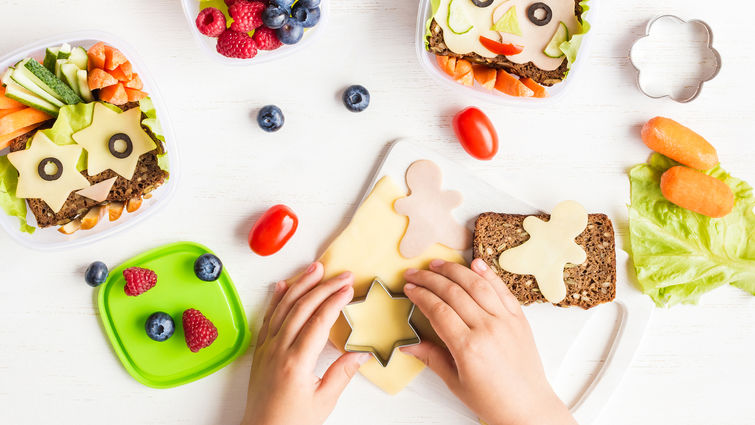
Dinner is an important part of families’ daily lives that can shape their behaviors for the rest of their lives. Kids learn not just what to eat but also how to eat by watching how people eat meals.
Dinner time is a good time for kids to have a good relationship with food if it is always the same, flexible, and calm. This turns supper into a chance to learn instead of a time to fight.
Dinner as a Way to Take Care of Yourself
When done with purpose, cooking and eating dinner may be a way to take care of yourself. Choosing meals that make you feel good and give you energy is a strong way to show you care.
Think about what your body and mind require that night when you ask what to make for dinner. Sometimes that need is food, sometimes it’s comfort, and sometimes it’s just plain old simplicity.
Conclusion
The dilemma of what to make for dinner will always be there, but it doesn’t have to feel like a lot of work. Dinner can become a helpful daily habit if you know your lifestyle, value simplicity, and are willing to be flexible.
Instead than looking for the ideal answer every night, focus on making meals that fit with your values, energy, and time. Dinner becomes less about making choices and more about connecting, eating, and relaxing over time.
Read More:- Dinner Ideas for Family: Simple, Comforting Meals Everyone Loves