


Introduction
People all throughout the world say “What’s for dinner?” a lot. It shows up at the end of long workdays, on busy school nights, and in quiet times when the fridge door opens with hope and doubt. The question is simple, yet it has a lot of emotional weight. It shows routine, care, responsibility, creativity, and occasionally being tired. It’s not only about food when you decide what to make. It’s also about time, energy, culture, and connection.
Dinner has always been a meal that people share. It represents the end of the day’s work and the start of the comfort of home. But modern life has made this routine more challenging. People’s attitudes around dinner have changed because of busy schedules, technology diversions, dietary choices, and growing food expenses. The query “What’s for dinner?” has gone from a casual idea to a daily challenge that needs forethought and purpose.
This article looks at the significance behind dinner decisions, the emotional and practical sides of arranging meals, and how people and families may get their confidence back and enjoy answering the age-old issue.
Why Making Dinner Plans May be so Hard
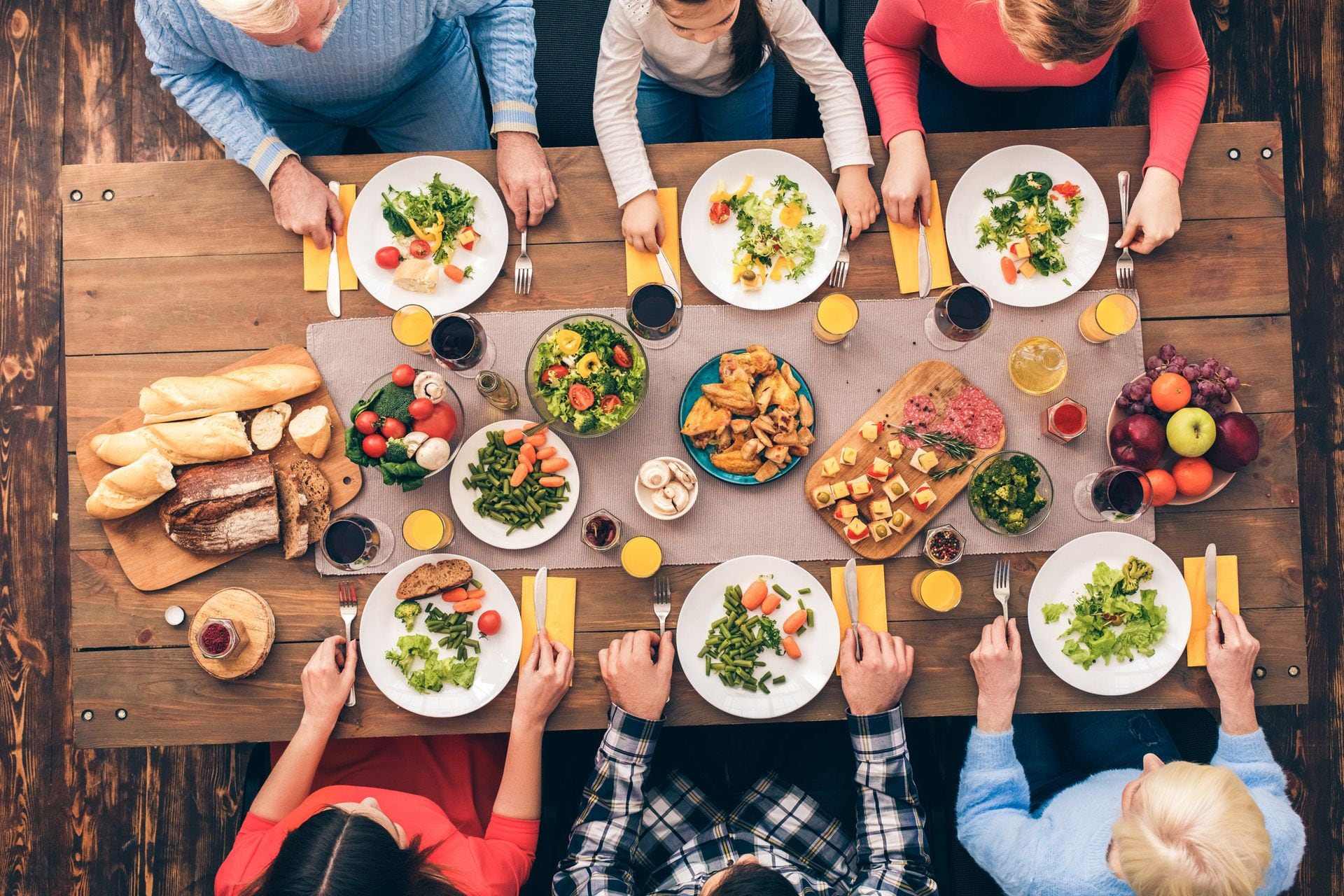
Dinner choices frequently seem more important than breakfast or lunch choices. People often eat breakfast quickly and in the same way every day. For lunch, they often eat outside the house or make it quickly. Dinner, on the other hand, should be filling, well-balanced, and comfortable. The food is what people recall most clearly.
Expectations make it even harder to make the appropriate option. A lot of individuals feel like they have to make something healthy, tasty, and cheap in a short amount of time. When you’re tired, your creativity diminishes, and the question “What’s for dinner?” becomes more of a chore than a fun one.
There are also emotional aspects at play. Dinner is linked to taking care of and nourishing others. Making meals for other people is typically considered as a way to show affection, which makes the choice even more emotional. When dinner plans go wrong, you could feel guilty or frustrated, especially if it’s hard to cook.
Dinner’s Place in Family and Social Life
Dinner has always been a way for people to get together. In a lot of cultures, people have dinner together and tell tales, which helps them get to know each other better. Families that eat together often talk to each other more and feel like they belong.
Shared dinners happen less often now that lifestyles have changed, but they are still very important. Even meals shared once in a while might make memories that last a long time. When you look at it this way, the inquiry “What’s for dinner?” becomes a chance to reconnect instead of a hassle.
Dinner is still important for people who live alone. It stands about taking care of yourself and doing things on a regular basis. Cooking for yourself may be a peaceful activity that makes you feel accomplished and relaxed after a long day.
Dinner Choices Based on Culture
People’s cultural backgrounds play a big role in how they answer the topic of meals. Many families still use traditional recipes that have been passed down over the years to make their dinners. These foods hold history, memory, and identity.
Dinner is the biggest and most fancy meal of the day in certain cultures, whereas in others it is lighter and simpler. The spices, cooking methods, and main ingredients that people use are all different, which changes what feels good at night.
Globalization has made it possible to have more kinds of dinners. A lot of families now mix traditional foods with cuisines from other countries. This mix lets people try new flavors while still enjoying the things that make them feel good. There is no longer just one answer to the question “What’s for dinner?” because there are so many different kinds of food in the world.
How Time and Lifestyle Affect Dinner Time
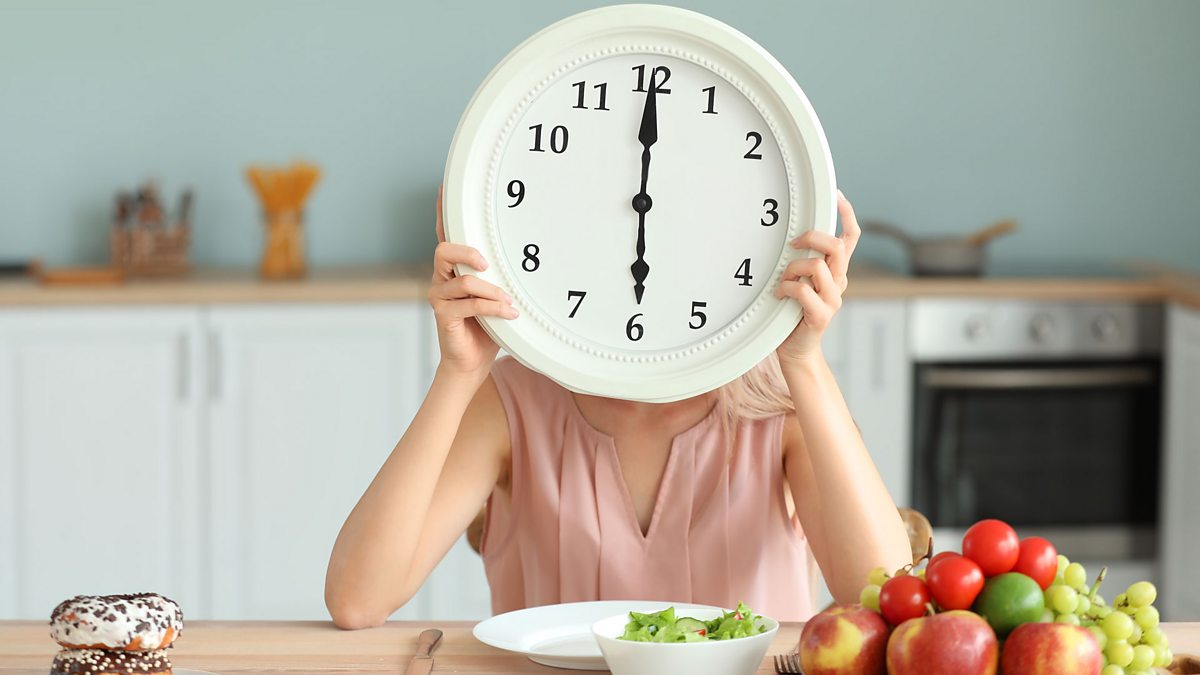
Modern schedules have a big impact on how people eat dinner. Because of long hours at work, long commutes, and other activities, there isn’t much time to cook. Because of this, a lot of individuals use quick recipes or pre-made ingredients.
Technology has also changed how people arrange their dinners. Digital calendars, recipe apps, and supermarket delivery services might help you plan meals, but they can also make it hard to choose. Having too many choices can make it harder to make a decision.
Changes in lifestyle, such working from home, have created new patterns. Some people now make dinner sooner, while others do cooking activities throughout the day. These changes show how important it is to be flexible when choosing what to eat for dinner.
Dinner Time Nutrition and Balance
Dinner is an important part of your daily nourishment. People frequently try to include veggies, meats, and whole carbohydrates in this lunch. But it can be hard to find balance when you don’t have much time or energy.
Knowing the basics of nutrition might help you make choices more easily. Dinner doesn’t have to be hard to be healthy. You can eat without worry by mixing simple, familiar foods together. It’s more important to be consistent than excellent.
It’s just as vital to listen to what your body needs. Some nights call for lighter meals, while others call for more filling ones. It’s easier to answer the question “What’s for dinner?” when you think about it instead of following regulations.
Dinner Choices and Emotional Comfort
Food and feelings are very closely linked. Some foods make you feel safe, comfortable, and nostalgic. After a tough day, people typically want to eat foods they know would make them feel better.
Different cultures and people have different comfort foods. Some people would want a warm bowl of soup, while others might choose a rich, spiced dish. These meals are like emotional anchors that remind people of home and care.
Knowing that dinner has an emotional significance can help you feel less guilty about what you eat. Not every meal has to be the healthiest or most interesting. Sometimes, the best response to the question “What’s for dinner?” is anything that makes you happy and calm.
How to Plan Ahead to Lower Dinner Stress

One of the best ways to relax during dinner time is to plan beforehand. When you plan ahead, the everyday question isn’t as important anymore. You don’t have to stick to strict schedules when arranging meals; even a casual routine can help.
It makes planning easier to have a small number of preferred meals that you rotate. You don’t have to think as hard about familiar meals, and you may change them based on what you have on hand. This method strikes a balance between variety and ease.
The table below shows how different ways of planning can affect how stressed you are at dinner.
| Planning Style | Description | Impact on Stress |
|---|---|---|
| No Planning | Decisions made daily without preparation | High stress and decision fatigue |
| Loose Planning | General ideas for the week without fixed days | Moderate stress with flexibility |
| Structured Planning | Specific meals assigned to specific days | Low stress but less spontaneity |
Shopping for Groceries and How it affects Dinner
How you buy for groceries has a big effect on how dinner turns out. When you shop without a strategy, you often forget things and have to make judgments at the last minute. This can make the query “What’s for dinner?” seem more hard than it really is.
A kitchen with a lot of different items gives you options. Grains, legumes, veggies, and basic seasonings are staples that can be used in many different meals. This makes people less dependent on certain recipes and more likely to come up with their own ideas.
Shopping with care also helps cut down on food waste. When you choose items with dinner plans in mind, you are more likely to use them well, which saves you time and money.
Being able to Cook and Feeling Good about It
How sure you are about cooking is a big part of what you decide to make for dinner. People who know how to cook a little bit are frequently more comfortable trying new things and changing meals based on what they have. People who don’t have a lot of experience could feel limited by recipes and directions.
You don’t need to know complex strategies to build confidence. If you learn a few basic cooking techniques like sautéing, roasting, and simmering, you’ll be able to do a lot more. Cooking gets easier and less scary with practice.
As you get more confident, the inquiry “What’s for dinner?” goes from being stressful to being a chance to be creative.
Dinner for Different Stages of Life

Dinner demands vary as you get older. Young adults may care more about how easy and cheap it is, while families with kids may care more about nutrition and taste. Older people may think about their dietary needs and how well they digest food.
Knowing about these changes can help you create realistic goals. There is no one perfect dinner for everyone. What works at one period of life may not work for another. Being flexible and kind to yourself are important.
Dinner can also be a time to study. Kids who help make meals often have better interactions with food. When you let kids help you make decisions, the question of what’s for supper becomes a shared duty instead of a burden.
How the Seasons Affect Dinner Ideas
Changes in the seasons naturally affect what people eat for dinner. In the cooler months, people often want warm, filling meals, whereas in the warmer months, they choose lighter ones. Planning can be easier if you pay attention to seasonal patterns.
Seasonal foods are usually fresher and cheaper. They also fit with how the body changes over the course of the year. Embracing seasonality gives variation without having to be creative all the time.
When you arrange your meals around natural cycles, it seems more natural and less pressured to make a decision every day.
Dinner Pressure and Social Expectations
Popular culture and social media have changed how people think about supper. Pictures of fancy dinners and elegantly prepared tables can make people expect too much. This contrast often makes people feel more stressed and unhappy.
It is vital to remember that everyday dinners don’t have to be fancy. Their main goals are to feed and connect people. Meals that are simple might be equally as important as those that are more complicated.
When people stop worrying about what others expect of them, they may answer the question of what to eat for supper based on their own needs instead of what they think they should eat.
Eating Alone vs. Eating with Others
The experience of dinner changes depending on whether you eat alone or with people. When you eat with others, you typically have to make compromises and work together. When you eat alone, you can choose whatever you want.
Both experiences are useful. Eating alone can be calming and make you think, but eating with others can bring you closer together. Knowing the pros and cons of each helps people stop judging how they eat meals.
The inquiry “What’s for dinner?” is still applicable in both situations, but the response may be extremely different.
Dinner Choices and Budget Concerns
Money is a big factor in organizing meals. Because food prices are going up, it’s important to plan your budget when making decisions. But meals that are cheap can still be tasty and healthy.
Focusing on basic products and cutting down on waste will help you save money. You may also make your money go farther by eating the same meals over or using leftovers in new ways.
The table below shows how being conscious of your budget affects what you choose for supper.
| Budget Approach | Typical Dinner Outcome | Long-Term Effect |
|---|---|---|
| Impulsive Spending | Frequent expensive meals | Financial strain |
| Balanced Budgeting | Mix of simple and occasional special meals | Sustainable routine |
| Strict Budgeting | Repetitive low-cost meals | Savings with limited variety |
Changing the Question What’s on the Menu for Dinner
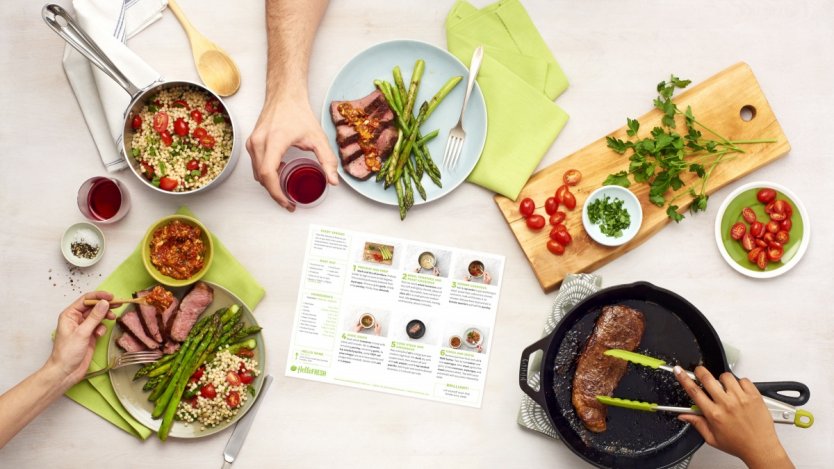
You can change the way you think about the question from a problem to a moment of choice and care. Dinner doesn’t have to be flawless to mean something. It just has to fit the necessities of the moment.
It can help to ask different queries. What do I have on hand? What do I want to eat? What will be the easiest thing to do tonight? These changes make things less stressful and help people make smart choices.
When you change the way you think about it, the question “What’s for dinner?” becomes less about duty and more about choice.
Finding Happiness in Cooking Every Day
Small things, not big accomplishments, frequently provide joy to cooking. The sound of vegetables cooking, the smell of spices, or the taste of a finished dish can all bring calm joy.
It also helps to make the kitchen a nice place to cook. When you listen to music, have good lighting, and relax, cooking goes from being a chore to an experience.
Dinner choices are easier and more fun when you’re happy.
Changing Dinner Habits Over Time
Dinner habits might change. They change based on the situation, what you want, and what is most important to you. Being willing to change keeps you from getting frustrated and burned out.
When things are busy, you might need to make simpler meals, but when things are slower, you can try new things. Accepting these changes brings equilibrium.
The secret is to be consistent without being too strict. A flexible approach makes sure that the question “What’s for dinner?” never feels too big for too long.
Conclusion: How to Easily Answer the Dinner Question
The query “What’s for dinner?” is more than just a daily one. It shows how you live, your culture, your feelings, and how much you care. It can be hard, but it also gives you a chance to take care of yourself and others.
People can feel more confident about dinner if they know what affects their decisions and are willing to change their plans. Dinner doesn’t have to be special to be important. It just has to be right for the time.
When the question is addressed with thoughtfulness and love, supper becomes what it was originally supposed to be: a time to eat, relax, and connect with others at the end of the day.
Read More:- Easy Dinner Ideas for Family That Save Time and Bring Comfort