


Introduction
Easter is a celebration filled with renewal, joy, and togetherness, and the dinner table often becomes the heart of this special occasion. Families and friends gather not only to mark the season but also to share comforting food that reflects tradition, creativity, and love. Planning an Easter meal can feel overwhelming, especially when expectations are high and everyone looks forward to something memorable. Thoughtful Easter dinner ideas help transform this holiday into an experience that feels warm, festive, and deeply satisfying.
The beauty of Easter dining lies in its flexibility. Some households cherish time-honored recipes passed down through generations, while others embrace fresh seasonal flavors and modern interpretations. Whether the meal is formal or relaxed, the goal remains the same: to create an atmosphere where food supports conversation, gratitude, and celebration. Understanding the meaning behind Easter foods and learning how to build a balanced menu makes the planning process both enjoyable and rewarding.
Understanding the Tradition Behind Easter Dinner Ideas
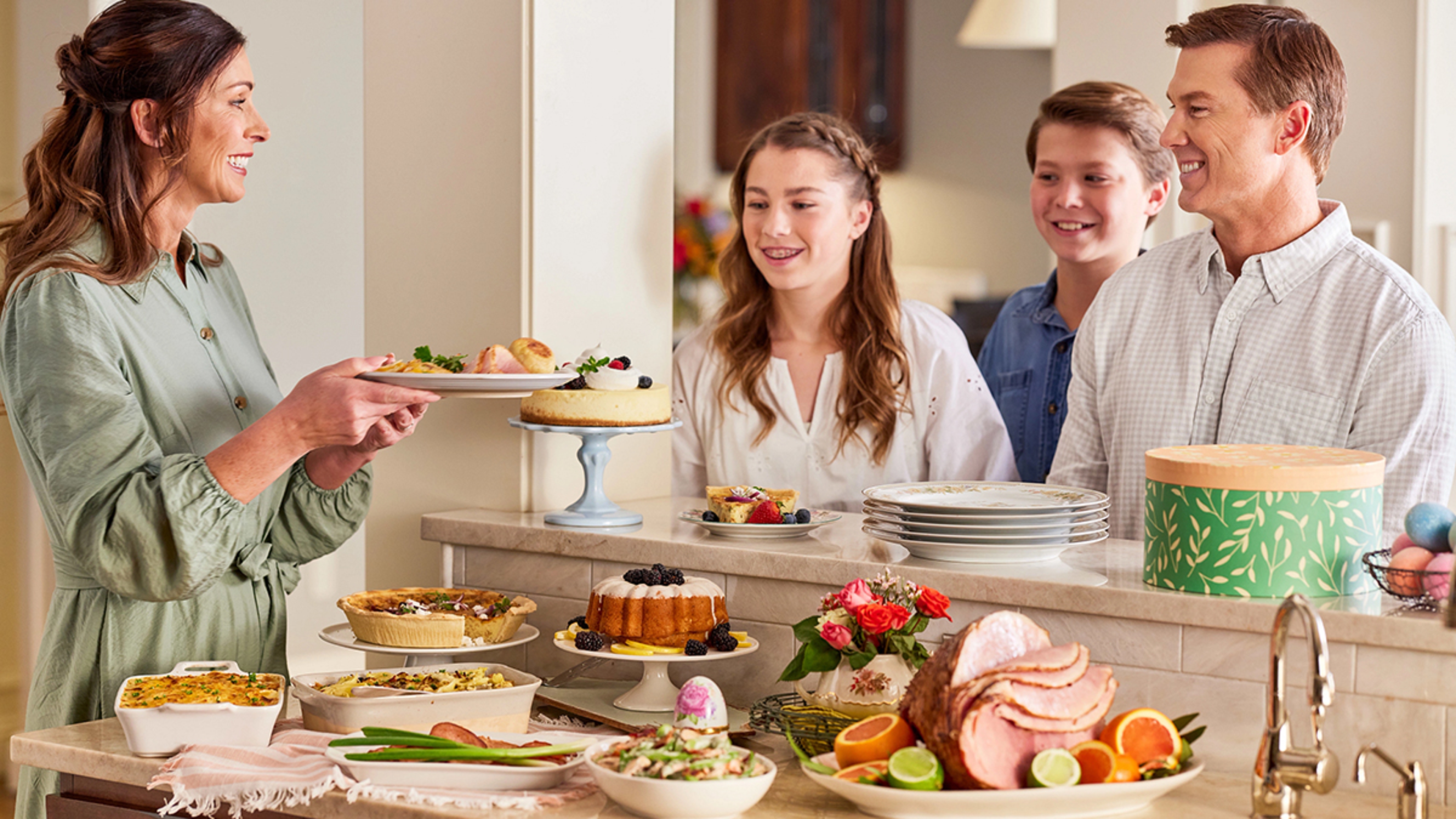
Easter meals are deeply rooted in cultural and religious symbolism. Many traditional dishes represent rebirth, hope, and abundance, reflecting the spirit of spring. Lamb, for example, has long been associated with Easter in many cultures due to its symbolic meaning and seasonal availability. Eggs, often featured in both savory and sweet forms, represent new life and renewal. These symbols have shaped Easter dinner ideas for centuries, giving the holiday a culinary identity that feels both comforting and meaningful.
In many households, Easter dinner marks a transition from heavier winter foods to lighter spring dishes. Fresh herbs, tender vegetables, and brighter flavors begin to replace the rich stews and roasts of colder months. This seasonal shift allows hosts to design meals that feel celebratory without being overly heavy. By respecting tradition while allowing room for creativity, Easter dinner becomes a bridge between the past and the present.
Planning Easter Dinner Ideas Around Seasonal Ingredients
Spring offers an abundance of ingredients that naturally complement Easter menus. Tender greens, young carrots, asparagus, peas, and fresh herbs bring color and freshness to the table. Incorporating these elements into Easter dinner ideas helps create a meal that feels vibrant and connected to the season. Seasonal cooking not only enhances flavor but also allows dishes to feel lighter and more balanced.
Using seasonal ingredients also simplifies planning. When foods are at their peak, they require less embellishment to shine. A simple preparation often highlights the natural taste of spring produce. This approach allows the main dish to stand confidently while side dishes support it without competing for attention. Seasonal planning encourages harmony across the entire meal, from appetizers to dessert.
Classic Easter Dinner Ideas That Never Go Out of Style
Many families return to classic dishes year after year because they carry emotional significance. These traditional Easter dinner ideas often include a centerpiece roast, familiar side dishes, and comforting desserts that evoke nostalgia. While recipes may vary across cultures, the essence remains the same: food that feels familiar, generous, and celebratory.
A traditional Easter meal often begins with a welcoming starter that sets the tone for the feast. Soups or light appetizers ease guests into the meal while allowing conversation to flow. The main course typically serves as the focal point, prepared with care and presented with pride. Side dishes complement the main course by adding texture, color, and contrast. Desserts conclude the meal on a sweet note, offering a sense of closure and indulgence.
Modern Easter Dinner Ideas for Contemporary Tables
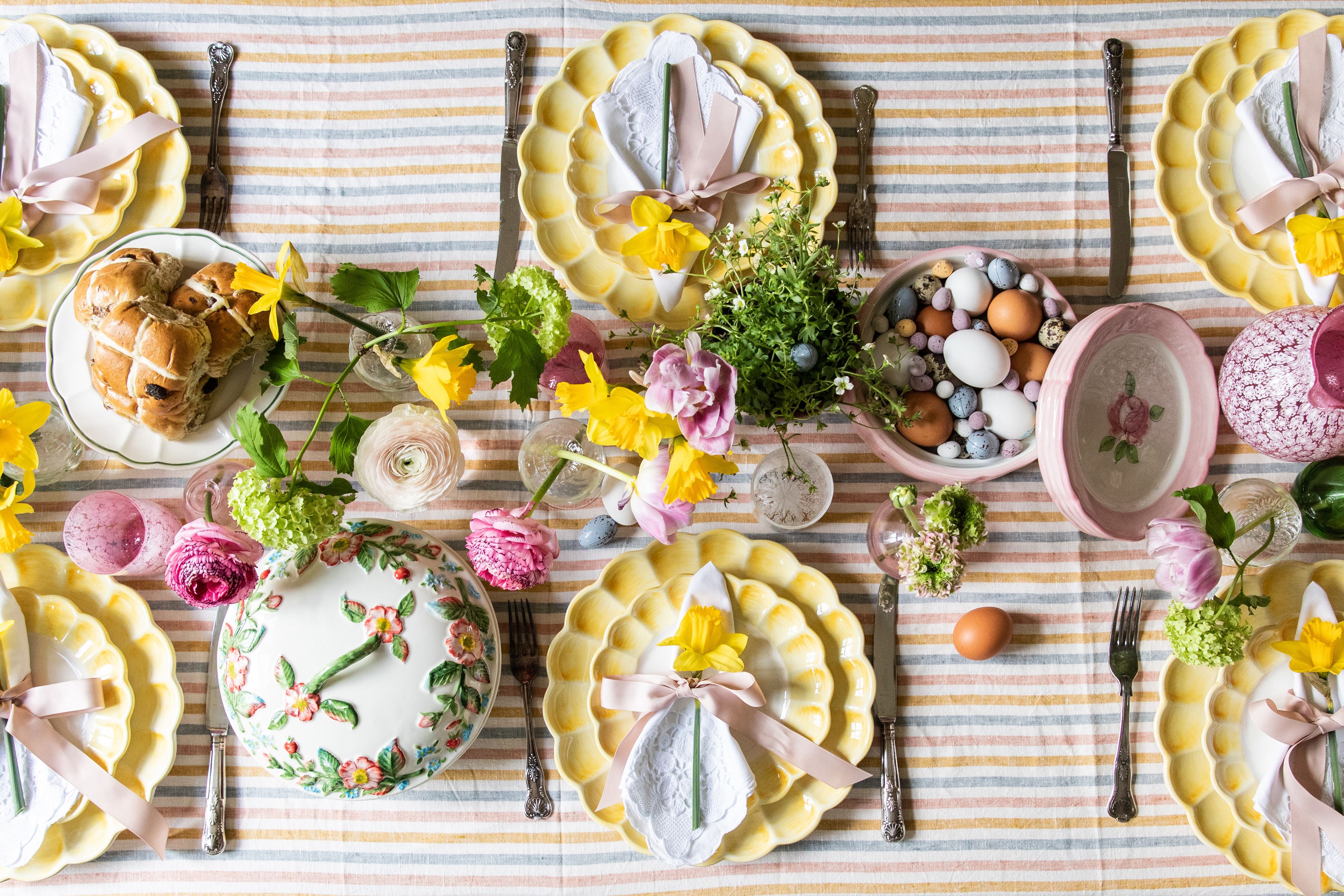
While tradition holds strong appeal, modern Easter dinner ideas embrace innovation and personal expression. Contemporary menus often feature lighter proteins, plant-forward dishes, and global influences that reflect evolving tastes. These meals still honor the spirit of Easter while offering something new and exciting.
Modern Easter dining often focuses on balance and presentation. Plates are thoughtfully composed, and flavors are layered rather than heavy. This approach allows guests to enjoy the meal without feeling overwhelmed. By blending classic elements with modern techniques, hosts can create an Easter dinner that feels both respectful and refreshed.
Creating a Balanced Easter Menu From Start to Finish
A successful Easter meal relies on balance. Each course should contribute to the overall experience without overshadowing the others. Thoughtful Easter dinner ideas consider pacing, portion size, and flavor progression. The meal should begin gently, build toward a satisfying centerpiece, and conclude with a dessert that feels indulgent but not excessive.
Balance also involves accommodating different preferences and dietary needs. Including a variety of textures and flavors ensures that every guest finds something to enjoy. A well-planned menu feels intentional and inclusive, allowing everyone at the table to feel welcome and appreciated.
Table One: Popular Easter Main Dishes and Their Characteristics
| Main Dish | Flavor Profile | Cultural Significance | Best Paired With |
|---|---|---|---|
| Roasted Lamb | Rich and savory | Symbol of renewal | Spring vegetables |
| Baked Ham | Sweet and salty | Family tradition | Light salads |
| Herb Chicken | Fresh and mild | Modern classic | Seasonal sides |
| Vegetarian Roast | Earthy and balanced | Contemporary choice | Grain dishes |
This table highlights how different main dishes align with various traditions and preferences, helping hosts choose an option that suits their gathering.
Side Dishes That Elevate Easter Dinner Ideas
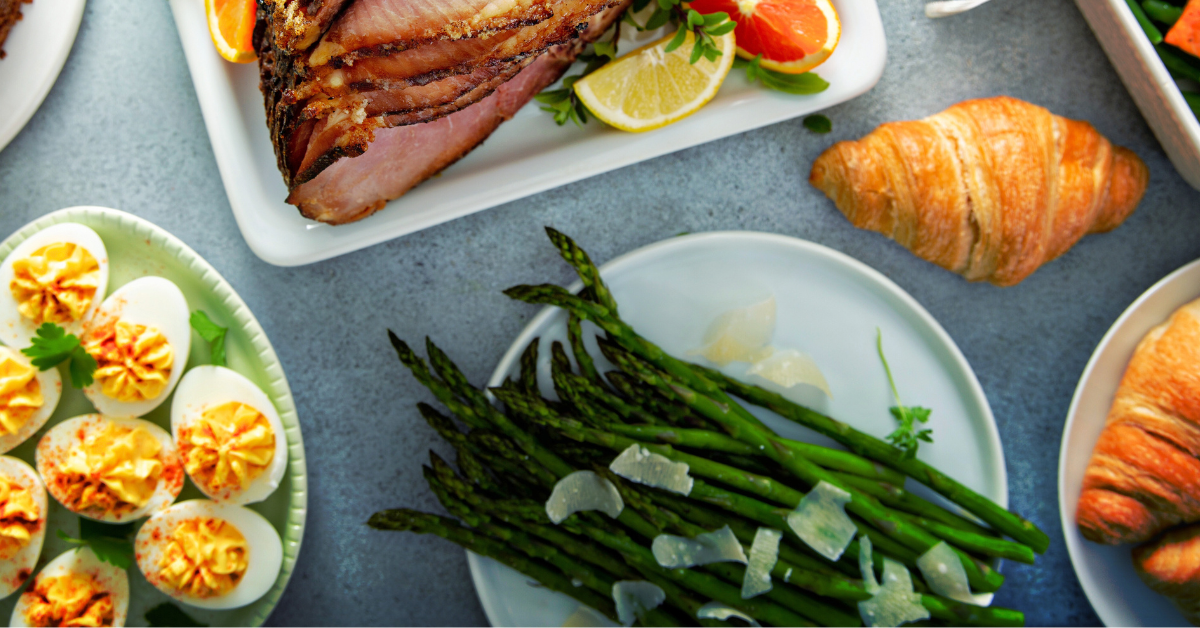
Side dishes play a crucial role in shaping Easter dinner ideas. They provide contrast and support, ensuring that the main course shines while the meal feels complete. Spring vegetables are particularly popular, offering freshness and color that brighten the table. Potatoes, grains, and baked dishes add comfort and substance, grounding the meal.
Well-chosen side dishes should complement rather than compete. A balance between rich and light elements keeps the meal enjoyable from start to finish. Thoughtful seasoning and careful preparation allow side dishes to enhance the overall experience without overpowering it.
Bread and Accompaniments in Easter Meals
Bread has long been a symbol of nourishment and community, making it a natural addition to Easter dinner. Whether served as a simple loaf or a more elaborate preparation, bread invites sharing and connection. Accompaniments such as spreads and sauces add depth and personalization to the meal.
These elements often go unnoticed, yet they significantly influence the dining experience. A well-made sauce can transform a dish, while freshly baked bread creates a sense of warmth and hospitality. Including these details elevates Easter dinner ideas from ordinary to memorable.
Desserts That Complete Easter Dinner Ideas
Dessert is often the most anticipated part of Easter dinner. Sweet dishes provide a celebratory ending and reflect the joy of the holiday. Traditional Easter desserts often feature eggs, citrus, and spices, while modern options explore lighter textures and fresh flavors.
A thoughtful dessert choice considers both indulgence and balance. After a hearty meal, lighter desserts can feel refreshing, while richer options suit those who prefer a more decadent finish. Presentation also matters, as dessert often becomes a visual centerpiece that signals the conclusion of the celebration.
Table Two: Easter Desserts and Their Appeal
| Dessert Type | Texture | Flavor Notes | Occasion Fit |
|---|---|---|---|
| Sponge Cake | Light and airy | Citrus and vanilla | Large gatherings |
| Chocolate Tart | Rich and smooth | Deep cocoa | Elegant dinners |
| Fruit-Based Dessert | Fresh and juicy | Seasonal sweetness | Daytime meals |
| Custard Dessert | Creamy | Subtle sweetness | Traditional tables |
This table illustrates how different desserts suit various Easter celebrations and preferences.
Setting the Atmosphere for Easter Dinner

The environment in which Easter dinner is served greatly influences the overall experience. A thoughtfully set table, soft lighting, and seasonal decorations create a welcoming atmosphere. Colors inspired by spring, such as pastels and natural tones, enhance the sense of renewal and joy.
Music, timing, and pacing also contribute to the mood. A relaxed schedule allows guests to savor each course without feeling rushed. When atmosphere aligns with the meal, Easter dinner ideas come to life in a way that feels intentional and heartfelt.
Hosting Tips to Support Easter Dinner Ideas
Hosting Easter dinner involves more than cooking. Preparation, organization, and mindset all play a role in creating a successful gathering. Planning ahead reduces stress and allows the host to enjoy the celebration alongside guests. Simple strategies such as preparing certain dishes in advance and setting the table early make a noticeable difference.
Flexibility is equally important. Not everything needs to be perfect for the meal to be meaningful. Guests remember how they felt more than how everything looked. When hosts focus on connection rather than perfection, Easter dinner becomes a joyful shared experience.
Making Easter Dinner Ideas Meaningful for Everyone
At its core, Easter dinner is about togetherness. The food serves as a backdrop for conversation, laughter, and reflection. Thoughtful Easter dinner ideas consider the emotional aspect of the meal, recognizing that shared experiences often matter more than elaborate dishes.
Including elements that encourage participation, such as shared serving dishes or family-style dining, fosters connection. A meal that invites conversation and interaction leaves a lasting impression long after the table is cleared.
Adapting Easter Dinner Ideas for Different Gatherings
Easter celebrations vary widely in size and style. Some gatherings are intimate, while others bring together extended families and friends. Adapting Easter dinner ideas to suit the scale of the event ensures that the meal feels appropriate and enjoyable.
Smaller gatherings may allow for more elaborate plating and personalized touches, while larger events benefit from simplicity and efficiency. Understanding the nature of the gathering helps hosts design a menu that feels both generous and manageable.
Conclusion
A well-planned Easter meal creates memories that linger. The flavors, conversations, and atmosphere combine to form an experience that guests carry with them. Thoughtful Easter dinner ideas reflect care, intention, and respect for the holiday’s meaning.
By blending tradition with creativity, embracing seasonal ingredients, and focusing on connection, hosts can create an Easter dinner that feels timeless and personal. The true success of the meal lies not only in what is served but in how it brings people together in celebration and gratitude.
Read More:- What to Make for Dinner: Easy, Comforting, and Timeless Ideas