


Introduction
People, dietitians, and health researchers have been asking the question “is pork red meat” for decades. Pork is a special type of meat that is served at dinner tables all over the world, but there is still some disagreement regarding how to classify it. Some people think of pork as a white meat, like chicken, while others think of it as a red meat, like beef or lamb. To really understand where pork fits, you need to look at science, nutrition, cooking traditions, and health research instead of marketing slogans or common beliefs.
This article goes into great detail on the subject, including a full account of pork’s biological classification, nutritional profile, health effects, and cultural views. You will have a clear and well-supported response to the question “Is pork red meat?” by the end.
A General Understanding of Meat Classification
Before you can say if pig is red or white meat, you need to know how meats are grouped in the first place. Taste, cooking method, or color after cooking don’t determine how meat is classified. Instead, the amount of myoglobin in muscle tissue is what mostly decides it.
Myoglobin is a protein that moves oxygen around inside muscle cells. When uncooked, the meat looks darker when there is more myoglobin in it. Animals that use their muscles a lot tend to have more myoglobin, which makes their flesh darker.
Most of the time, red meat originates from mammals like pigs, cows, sheep, and goats. Chicken and turkey are two examples of birds that are less active and provide us white meat.
This biological difference is very important in deciding whether pig is red meat.
Is Pork Red Meat from a Scientific Point of View
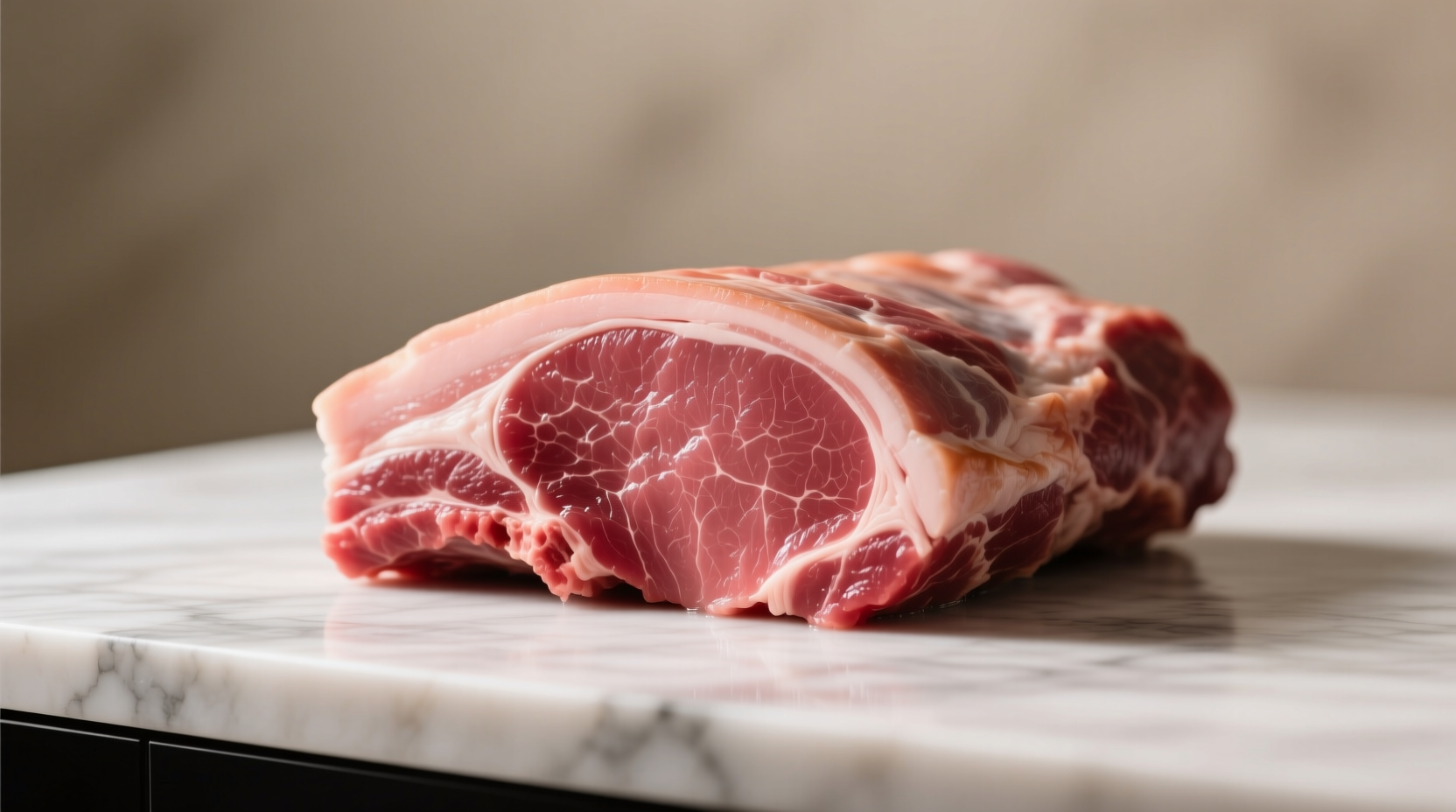
Yes, hog red meat is red meat from a scientific and nutritional point of view. Pigs are mammals, and pork has a myoglobin level that is similar to that of other red meats.
Raw pork is a lot darker than chicken or turkey, and it looks a lot like beef. Myoglobin shows that pork is definitely red meat when looked at from a biological point of view.
Health groups, dietary recommendations, and food scientists all agree that pork is red meat. This classification is based on the muscle makeup of the pork itself, not on how it is cooked or seasoned.
Some cuts of pig may look lighter when cooked, yet the raw muscle structure is the same as that of red meat.
Why People Often Think Pork Is White Meat
Even though science has made things clear, a lot of people still think pork is white meat. This false idea comes from marketing and cooking habits, not nature.
pig manufacturers in the late 1900s tried to get people to think of pig as a lean and healthy alternative to beef by calling it “the other white meat.” This advertising worked quite well and changed how people thought for decades.
Also, some slices of pork, such pork loin or tenderloin, look lighter when cooked, especially if they are cooked in a way that uses less fat. The fact that it looked like chicken breast just added to the confusion.
But the color of the meat does not determine what kind it is. If you cook beef a certain way, it can look light, but it is still red meat.
How Pork Stacks Up Nutritionally Against Other Meats
Knowing what nutrients are in pork can help you understand what it is and how it affects your health. Pork has a lot of protein, vitamins, and minerals that are often found in red meat.
Pork is a good source of protein that your body needs to build muscle, repair tissue, and keep your metabolism running smoothly. It is also a good source of B vitamins, including thiamine, which helps the body make energy and keeps the nervous system healthy.
Pork often has the same amount of fat as beef and lamb, or even less, depending on the cut. Lean cuts of pork can have about the same number of calories as skinless chicken breast, but they still taste like red meat.
Table 1: Nutritional Comparison per 100g of Cooked Meat
| Nutrient | Pork | Beef | Chicken |
|---|---|---|---|
| Protein | 26g | 27g | 31g |
| Fat | 14g | 20g | 4g |
| Iron | 0.9mg | 2.6mg | 1.0mg |
| Vitamin B12 | 0.7µg | 2.5µg | 0.3µg |
| Thiamine | 0.8mg | 0.1mg | 0.1mg |
This table shows that pig and beef have similar nutritional values, which supports the idea that pork is more like red meat than white meat.
Is Pork Red Meat According to Health Groups

Pork is considered red meat by most major health organizations throughout the world. Pork, beef, lamb, and goat are all typically put in the same group as red meat when it comes to dietary rules.
This classification is especially pertinent when addressing health problems linked to excessive red meat consumption. Studies that look at how much red meat people eat often also look at how much pork they eat.
Health agencies recommend moderation in red meat consumption, not due to the intrinsic harmfulness of red meat, but because excessive intake may correlate with elevated risks of specific chronic diseases when combined with hazardous cooking methods or processed forms.
So, when people question if pig is red meat for health reasons, the response is still the same as what scientists agree on.
Fresh Pork vs. Processed Pork Products
Fresh pork is red meat, but it’s vital to tell it apart from processed pork products. Processing pork impacts its health profile a lot and affects what people should eat.
pig chops, tenderloin, shoulder, and loin are all examples of fresh pig cuts that haven’t been cooked. These cuts keep their original nutrients and can be part of a healthy diet if eaten in moderation.
Bacon, ham, sausages, and salami are all examples of processed pork. A lot of the time, these items include extra salt, preservatives, and curing chemicals in them. Health guidelines say to eat less processed meats because they are linked to higher health risks.
Fresh and processed pig both fall under the red meat category, yet they have quite different effects on health.
Culinary Views on Classifying Pork
From a cooking point of view, pork is very versatile. Because of its taste, fat distribution, and cooking needs, chefs often handle hog differently from beef.
Many cuts of beef get too rough when you cook them well-done, but pork doesn’t. Because of this, it is often served with milder sauces and herbs that are often used with chicken.
Chefs know that pork acts more like red meat when it comes to the structure of its muscle fibers and fat content, even though these foods are different in other ways.
Biological classification takes precedence over culinary classification, which is why pork is still considered red meat even in gourmet cooking.
Around the World, People Have Different Ideas about Pork

People’s views on pork are also shaped by their culture. In some places, hog is seen as lighter and easier to eat than beef. In other places, it is seen as a rich, luxurious meat.
Pork is a common meat in East Asian cooking, and it may be used in both light and heavy dishes. Cured meats and roasts in European traditions often use pork.
These cultural views make it hard to tell if pork is red or white meat. But the way people use it in their culture doesn’t change its biological status.
Is Pork Red meat Bad for Your Health
Pork exhibits comparable health results to other red meats. Research examining red meat intake and health indicators generally including pork in their analyses.
The health effects of pork vary a lot on how much you eat, what cut you choose, and how you cook it. Grilling, baking, or steaming lean slices of pig can be a good part of a healthy diet.
On the other hand, eating a lot of fatty or processed pig products may lead to higher levels of saturated fat and sodium in the body.
So, when you wonder if pig is red meat in terms of health, you need to think about both its classification and the need for moderation in your diet.
Pork’s Cholesterol and Fat Content
Pork has both saturated and unsaturated fats in it. The amount changes a lot depending on the cut. Pork belly and ribs have a lot of fat, whereas tenderloin and loin are leaner.
Lean slices of pig usually have a little less saturated fat than beef. Some individuals now think that pork is a healthier option, even if it is still red meat.
The cholesterol in pork is similar to that in other animal proteins, thus it should be looked at in the context of the whole diet.
How Different Cooking Methods Affect the Image of Pork
Different ways of cooking pig can change how people think about it, but they can’t change how it is classified. Pork tastes best when it is slowly roasted, grilled, or braised, which is similar to how red meat is usually cooked.
Quick cooking methods and light seasonings can make pork look and feel like chicken, which makes things even more confused for people.
Pork’s myoglobin content and mammalian origin don’t change no matter how it’s cooked.
Ethical and Environmental Concerns
People also talk about the environmental implications of red meat classification. Pork production usually has a smaller impact on the environment than beef production, but a bigger impact than poultry production.
These disparities affect dietary suggestions that are more about sustainability than biology.
The same ethical concerns about animal treatment apply to pig as they do to other red meats.
Is Pork Red Meat or White Meat? What are the Differences
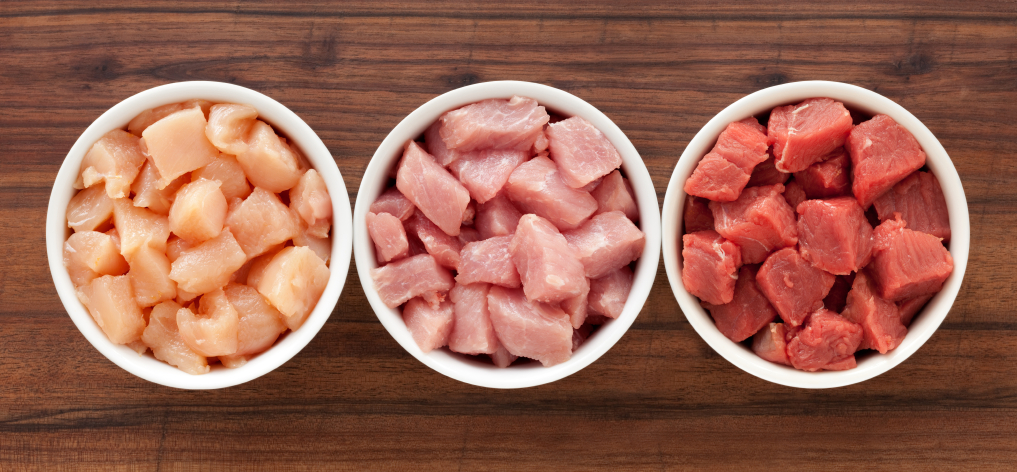
White meat usually has less myoglobin, a lighter uncooked color, and a distinct muscle fiber makeup. Pork does not fulfill these standards.
Pork chops, even the thinnest ones, have more myoglobin than chicken breast. This technical difference makes pork even more red meat.
The repeated mistake comes from marketing and visual cues, not from true classification.
Some Common Myths About Pork
A common myth is that pork is bad for you by nature. When chosen and cooked correctly, pork can be good for you.
Some people also think that cooking pork makes it white, which means it becomes white flesh. The color of the meat doesn’t matter when it comes to classifying it.
These myths let us answer the question, “Is pork red meat?” with certainty and clarity.
The Last Answer is: Is Pork Red Meat
The answer becomes evident after looking at biology, nutrition, health studies, cooking, and cultural views. Pork is considered red meat since it comes from mammals and has a lot of myoglobin.
Scientists, dietitians, and health organizations all around the world agree with this classification. Pork might be healthy and low in fat, but it is still red meat.
Not its type, but how much you eat, what kind you choose, and how you cook it define how pig fits into a balanced diet.
Table 2: Main Differences Between Red Meat and White Meat
| Feature | Red Meat | White Meat |
|---|---|---|
| Animal Type | Mammals | Birds |
| Myoglobin Level | High | Low |
| Raw Color | Dark red | Pale pink |
| Examples | Pork, beef, lamb | Chicken, turkey |
This table makes it obvious why pork is more like red meat than white meat.
Conclusion
The question is why pork red meat keeps coming up. This is because of how it has been marketed, cooked, and eaten in the past. But when looked at from a scientific and nutritional point of view, the classification is clear.
Red meat is pork. It has the same biological characteristics as other red meats, and nutritional research and health guidelines approach it that such. Knowing this difference helps people make smart choices without being confused.
It’s better to think about the quality of your whole diet, the quantities of your portions, and how you cook your food than just the labels. You can consume pork, like any other red meat, in moderation as part of a healthy and balanced diet.
I can also rewrite this content in a more casual way, make it even better for SEO, or change it to meet a certain group of readers, like fitness, health, or foodies.
Read More:- Red Meat Explained: Nutrition, Culture, Health, and Modern Diets