


Introduction
Red meat has been a staple of human diets for thousands of years. It has shaped cooking traditions, farming techniques, and cultural identity all around the world. The eating of mammal meat has changed with civilization, from primitive hunter civilizations to modern industrial farming. People still love and argue about red meat nowadays. Some people praise it for its high nutritional value, while others question its effects on the environment and health. To understand this type of food, you need to look at biology, history, culture, and science all at once.
The word refers to meat that looks red when it’s raw because it has myoglobin in it, which is a protein that stores oxygen in muscle tissue. This trait sets it apart from fish and poultry and offers it its own particular nutritional and cooking qualities. As dietary habits change and people become more educated, conversations on red meat have gotten more complicated and nuanced than ever.
The Historical Significance of Red Meat in Human Evolution
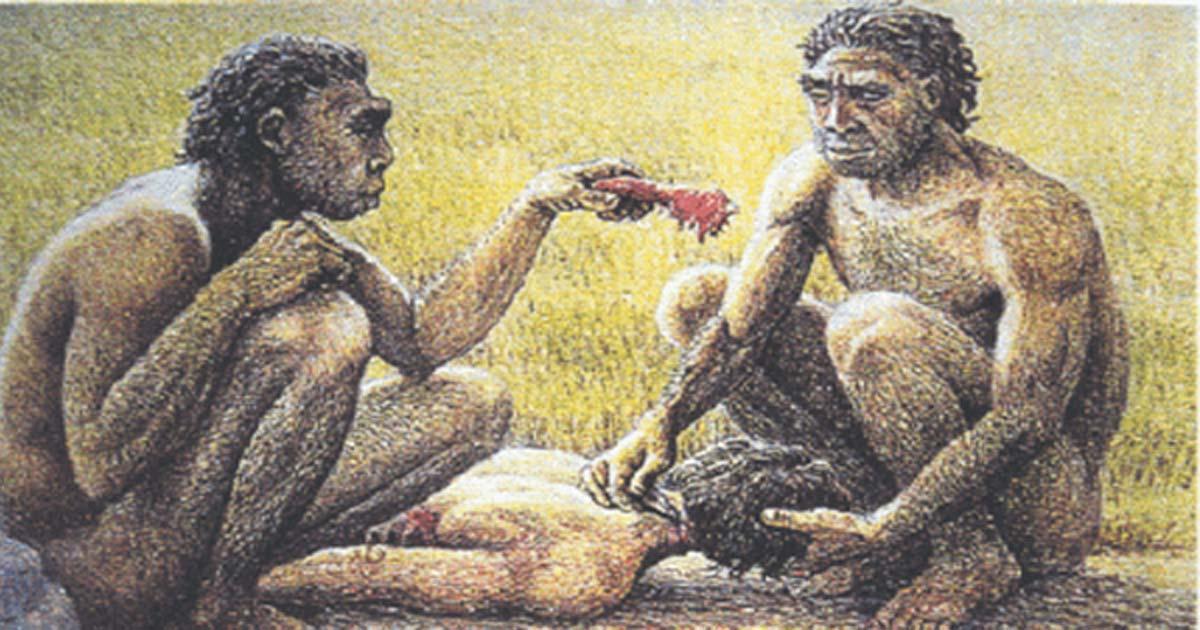
Anthropologists generally concur that the incorporation of meat into early human diets was instrumental in brain development and physical evolution. Early humans hunted and scavenged to get animal protein, fat, and minerals that weren’t very common in plant meals. Red meat, in example, gave people a lot of vitality that helped them survive in tough places.
As communities moved from nomadic to agricultural ways of life, domesticated animals like cows, sheep, and goats were very important to food systems. Meat was generally saved for special events, religious rites, or meetings with friends and family, which showed how important and meaningful it was. Communities were able to retain meat for longer periods of time thanks to preservation methods including drying, salting, and smoking. This made meat even more a part of their cultural customs.
Red meat has been important in many cultures around the world, from hearty stews in colder places to spicy meat dishes in warmer places. Its role has never been just to provide food; it has always had social and cultural significance.
Nutritional Makeup and Biological Value
Red meat is thought to be a very bioavailable source of important elements from a nutritional point of view. It has full proteins, which means it has all nine amino acids that the body needs. These proteins help keep muscles healthy, the immune system working, and tissues healing.
Red meat is a good source of protein and other vital minerals like iron, zinc, selenium, and vitamin B12. Heme iron, which comes from meat, is better absorbed by the body than non-heme iron, which comes from plants. This is especially crucial for people who are likely to be iron deficient.
The table below shows the typical nutritional composition of common portions of red meat.
| Nutrient | Approximate Presence | Role in the Body |
|---|---|---|
| Protein | High | Muscle growth and repair |
| Iron | High | Oxygen transport in blood |
| Vitamin B12 | High | Nerve function and DNA synthesis |
| Zinc | Moderate to high | Immune support and metabolism |
| Fat | Variable | Energy and hormone production |
Red meat has been a key part of many diets since it is high in nutrients, especially in areas where there weren’t many plants or food options.
Different Kinds of red Meat and what Makes them Unique
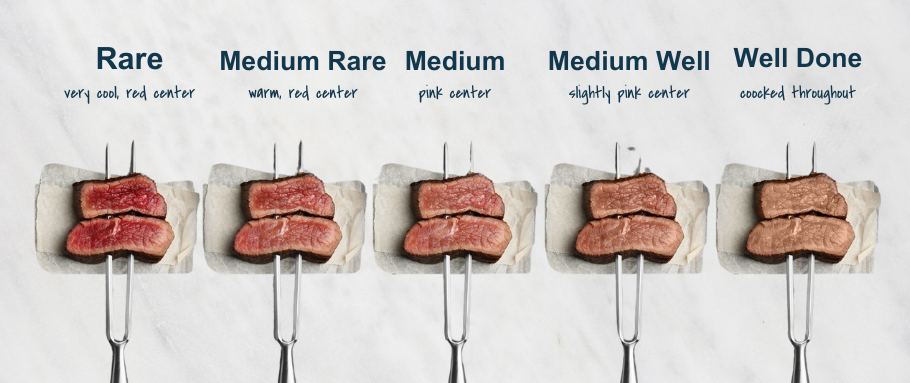
Not all red meat tastes the same, and the taste, fat content, and texture of red meat from different animals can be different. Beef is perhaps the most popular meat since it has a strong flavor and can be used in many different ways in cooking. Lamb and mutton have a richer, more unique flavor that is typically linked to traditional and festive foods. Pork is often included since it is similar in color and nutrition to other types of meat, even though there is considerable controversy about how to classify it.
The cut of meat also affects how healthy and tasty it is. People who want to eat more protein and less calories frequently choose lean cuts since they have less fat. Fattier cuts, on the other hand, add richness and depth of taste, which is why they are often used in slow-cooked meals.
Knowing these differences helps people make smart choices based on their dietary needs, taste preferences, and cooking methods.
Culinary Traditions and Worldwide Uses of Red Meat
Many traditional meals around the world include red meat as a main ingredient. In many cultures, recipes are passed down from one generation to the next. These traditions keep cooking methods that bring out the inherent flavors of the meat. People often cook it by slow cooking, roasting, grilling, or braising it.
In colder places, robust meat stews and roasts keep you warm and full, while in warmer places, spiced and marinated meat dishes show off the local ingredients and preservation needs. These cooking traditions show how red meat changes to fit different cultures, providing a blank slate for regional flavors and methods.
Food rituals generally include dinners with meat that everyone eats together, which shows how important it is to society. Carefully made meat dishes are often served at parties, holidays, and family gatherings to show abundance and hospitality.
Health Perspectives and Current Dietary Controversies
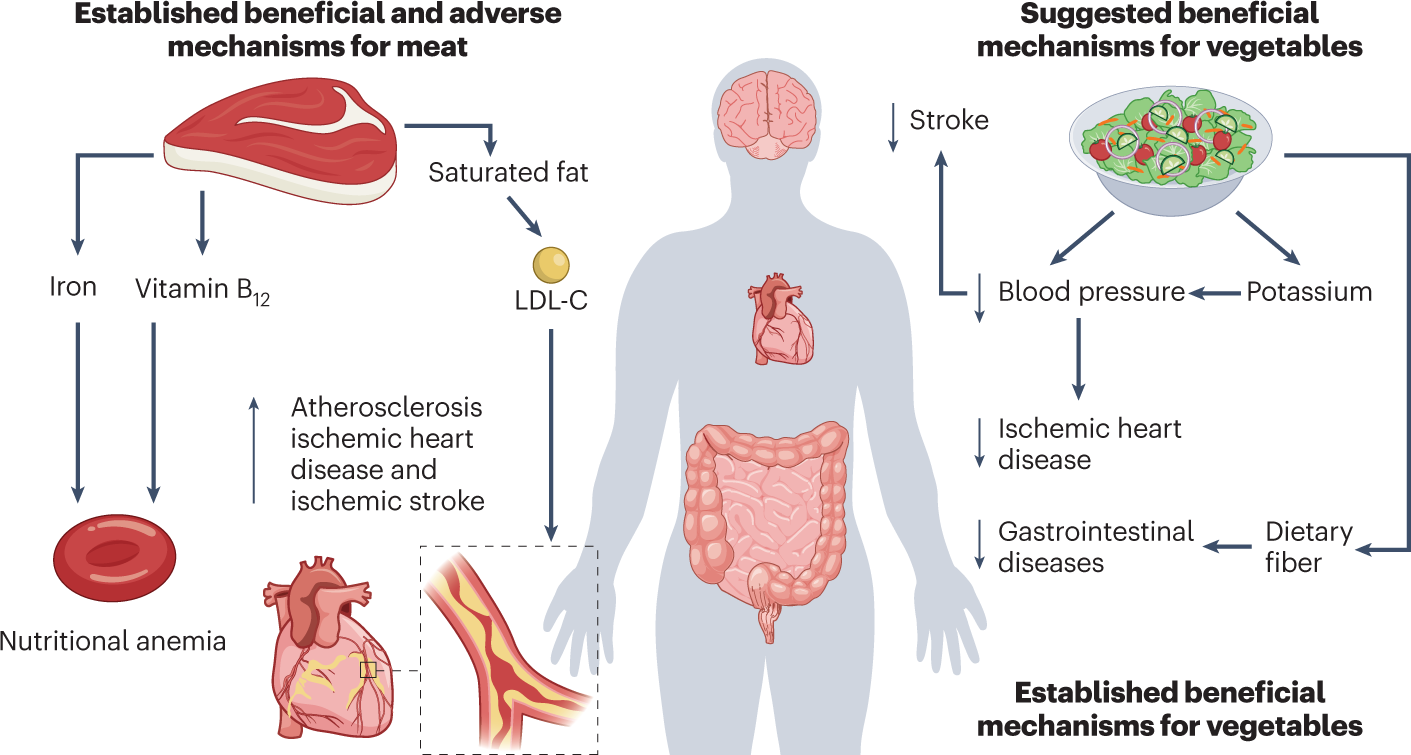
Red meat has been the center of nutritional discussion in the last few decades. Its nutritious density is unquestionable; yet, apprehensions have emerged over excessive intake, especially of processed types. Scientific research has examined associations between excessive consumption and specific health issues, resulting in suggestions for moderation instead than complete avoidance.
More and more, health practitioners stress balance and quality. Some basic rules are to choose unprocessed meat, watch your portion amounts, and eat it with vegetables and nutritious foods. The way you cook your food also matters, since cooking at high temperatures can change the nutritional value.
People used to make simple judgments about red meat, but now they are taking a more personal approach. Age, exercise level, and total nutrition are some of the things that affect how it fits into a healthy lifestyle.
Ethical and Environmental Factors
The making of red meat presents environmental and moral issues in addition to health concerns. Raising livestock takes a lot of land, water, and feed, which adds to greenhouse gas emissions. These worries have led to conversations about responsible consumption and sustainability.
To lessen their influence on the environment, some producers use methods including better grazing management and cutting down on waste. Animal welfare is another ethical issue that should be taken into account. This means being open and treating animals well throughout the production process.
People today know more about where their food comes from and often want beef from systems that fit with their beliefs. This knowledge is changing the industry and affecting how red meat is grown and eaten around the world.
Red Meat in Today’s Diets and Ways of Life

Eating habits change as lives change. Urbanization, busy schedules, and easier access to a wider range of foods have changed the way people eat meat. Some people cut back on their meat intake for health or moral reasons, while others still eat it as part of a balanced diet.
High-protein diets frequently stress eating meat, while plant-forward diets focus on cutting back on meat but not cutting it out completely. In this case, red meat is just one part of many, not the main dish of every meal.
The table below shows how red meat fits into different current diets.
| Dietary Pattern | Role of Red Meat | Typical Frequency |
|---|---|---|
| Traditional diets | Central protein source | Regular |
| Balanced diets | Complementary food | Moderate |
| High-protein diets | Primary protein | Frequent |
| Plant-forward diets | Occasional inclusion | Limited |
This variety shows how red meat can fit into changing dietary systems.
Identity and Symbols in Culture
Food is a big part of who we are, and red meat frequently has a deeper meaning. In some cultures, it means strength and wealth, while in others, it means hospitality and festivity. Religious customs may control what people eat, giving more meaning to when and how they eat meat.
Stories, customs, and rituals related to preparing meat make people feel closer to one other. These cultural aspects show that conversations regarding red meat go beyond science and nutrition to include the common experiences of people.
The Future of Eating Red Meat
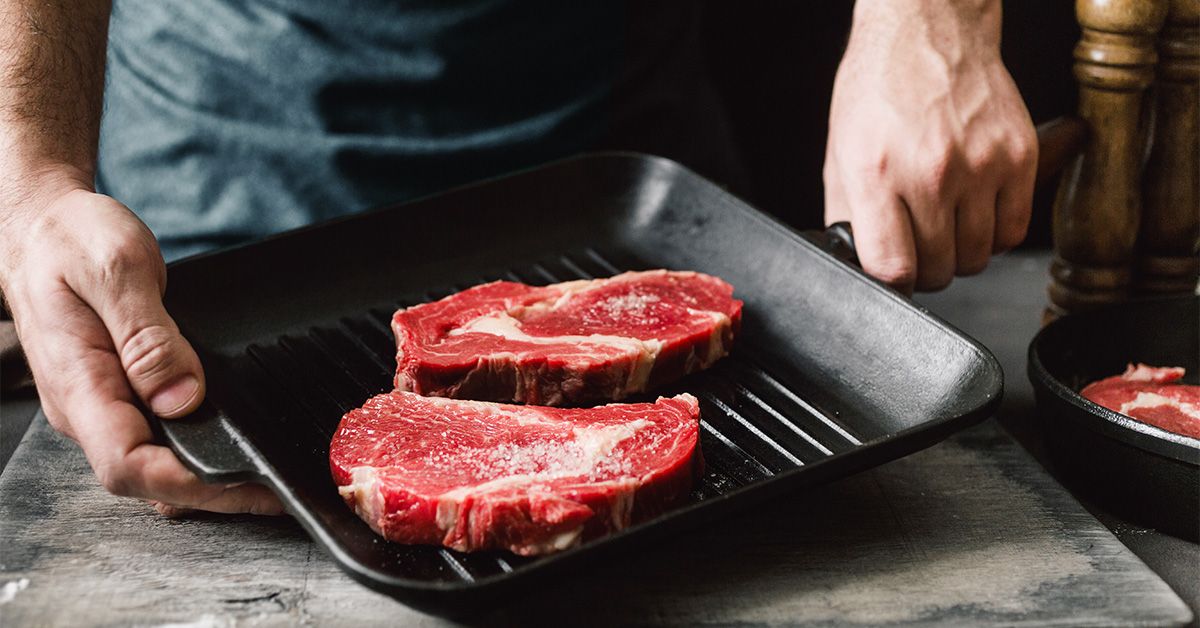
The role of red meat will change throughout time. Changes in how people eat will be caused by improvements in farming technology, a growing interest in alternative proteins, and a greater understanding of sustainability. Instead of going away, meat is likely to be picked more carefully and eaten with more consideration.
This change is mostly due to education. People can make decisions that are good for their health and their morals by knowing the nutritional value, environmental impact, and cultural importance of food.
Conclusion: Putting Red Meat in a Bigger Picture
Red meat is still one of the most complicated and talked-about foods in today’s diet. It is more than just a source of calories because it is rich in nutrients, has historical importance, and has cultural significance. Health and environmental concerns also make people more aware of what they eat.
By looking at red meat from a comprehensive point of view that incorporates science, tradition, and sustainability, we can see its function without disregarding its problems. In this balanced view, red meat still plays an important role in human diets, changing to fit the requirements and ideals of each generation.
Read More:- What to Have for Dinner Tonight A Complete Guide for Every Mood