


Introduction
The query “is red meat detrimental to health” has emerged as a highly contested subject in contemporary nutrition discourse. For the past few decades, red meat has gone from being a sign of strength and vitality to a food that is commonly linked to health warnings and long-term illness. A lot of people are perplexed by this big change. They don’t know if they should consume red meat, limit it, or stay away from it altogether.
People have been eating red meat for thousands of years, and it has been a key part of many traditional diets around the world. But as nutritional science has changed, researchers have started to look at how red meat affects heart health, metabolism, inflammation, and the chance of getting diseases in the long run. There have been a lot of headlines about it, some praising its nutrient density and others saying it is bad for you.
To really address the issue “Is red meat bad for you?” you need to go beyond simple answers. Nutrition is not always clear-cut. The health effects of red meat rely on a number of things, such as the type of meat, the size of the portion, how it is cooked, how often it is eaten, and the overall pattern of the diet. This page goes into great detail about those aspects, giving a fair, evidence-based view.
What Red Meat is and Why it Matters
Before we talk about whether or not red meat is dangerous for you, we need to know what it is. Red meat is meat that is red when it is raw because it has more myoglobin in it. Beef, lamb, pork, goat, and veal are some common examples. These meats are not the same as chicken and fish, which are usually thought of as white flesh.
The difference is important because red meat has a different set of nutrients. It has a lot of complete protein, iron, zinc, vitamin B12, and other minerals that are good for your health. Red meat, on the other hand, usually has more saturated fat than white meat or plant-based protein sources.
There are different kinds of red meat. Fresh, unprocessed red meat is very different from processed meats like bacon, sausage, cured meats, and deli slices. Processing often adds salt, preservatives, and chemicals that can influence how the meat affects the body. When talking about whether red meat is bad for you, you need to be explicit about these variances.
The Nutritional Value of Red Meat in a Healthy Diet
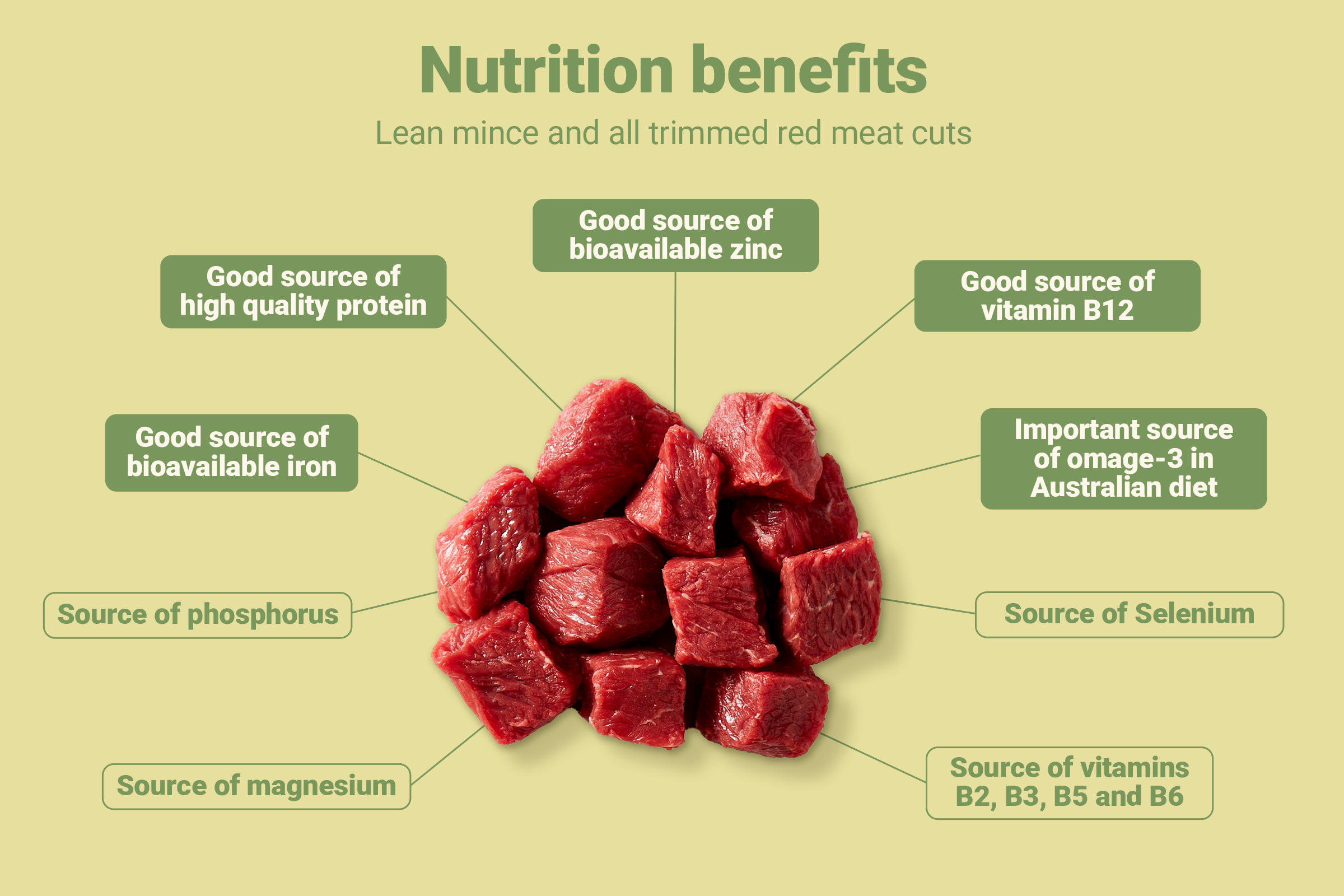
One reason the debate over whether red meat is hazardous for you goes on is that it has nutrients that are hard to get from other foods. It is one of the best sources of vitamin B12, which is important for making red blood cells, DNA, and neurological function. Not getting enough vitamin B12 can make you tired, cause neurological difficulties, and make you anemic.
Iron is also very easy for the body to get from red meat. Heme iron is the type of iron present in red meat. The body absorbs it better than non-heme iron from plant diets. This means that red meat is especially good for persons who are likely to be low in iron, such as women who are menstruating and people who need more iron.
Another important issue is the quality of the protein. Red meat has all the essential amino acids in the right amounts to help muscles grow, tissues heal, and the immune system work. Zinc is another key mineral that is found in large amounts in red meat. It is very necessary for hormone production, wound healing, and immune function.
The table below shows the basic nutrients that are in a regular serving of common red meats.
| Nutrient Component | Beef (100g) | Lamb (100g) | Pork (100g) |
|---|---|---|---|
| Protein (g) | 26 | 25 | 27 |
| Iron (mg) | 2.6 | 1.8 | 1.0 |
| Vitamin B12 (µg) | 2.5 | 2.1 | 0.7 |
| Zinc (mg) | 4.8 | 4.1 | 2.9 |
This high nutritional value is why red meat has been a staple diet in many cultures. The problem happens when people eat more than their bodies need or when red meat takes the place of other healthy items in their diets.
Is Red Meat Bad for You, Based on Science
A lot of the time, when people question if red meat is dangerous for you, they are talking about studies that show eating red meat can lead to long-term health problems. Studies have examined the links between eating red meat and diseases like heart disease, type 2 diabetes, and several malignancies. Nonetheless, interpreting these results necessitates meticulous evaluation.
Numerous extensive observational studies indicate that elevated intake of red meat, especially processed red meat, correlates with a heightened risk of cardiovascular disease. The amount of saturated fat has been a big emphasis since some people who eat a lot of it may have higher LDL cholesterol levels. High levels of LDL cholesterol are a well-known risk factor for heart disease.
The risk of cancer, particularly colorectal cancer, has also been investigated. There are some research that show a link between eating a lot of processed red meat and an increased risk of cancer. This impact may be caused by chemicals that occur when food is cooked at high temperatures, like when it is grilled or fried.
It is crucial to remember that correlation does not mean causation. Individuals who consume substantial quantities of red meat may also partake in additional lifestyle practices that elevate disease risk, such smoking, insufficient physical exercise, or restricted fruit and vegetable consumption. When these factors are taken into account, the unfavorable links often get weaker.
So, the scientific answer to the question “Is red meat bad for you?” is not clear-cut. It seems that eating a moderate amount of unprocessed red meat as part of a balanced diet doesn’t have the same hazards as eating a lot of processed red meat along with a lot of unhealthy foods.
What Makes Processed Red Meat Different from Unprocessed Red Meat
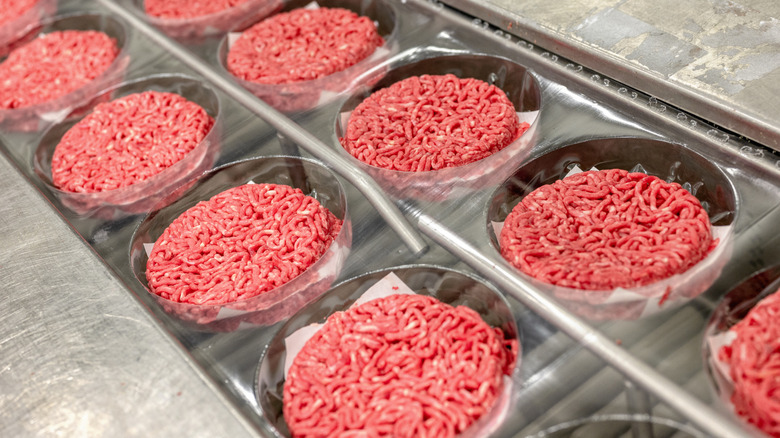
When talking about whether red meat is hazardous for you, it’s important to make a clear difference between processed and unprocessed forms. Fresh cuts of red meat that have not been changed in any way other than basic preparation are called “unprocessed red meat.” Red meat that has been preserved by smoking, curing, salting, or adding chemical preservatives is called processed red meat.
Processing affects the chemicals in meat. It often adds more sodium and chemicals like nitrates and nitrites. When you digest these things, they can make byproducts that could be bad for you, especially if you eat them often over a lengthy period of time.
Health organizations usually say that people should consume less processed red meat instead of cutting out all red meat. Research regularly demonstrates more robust associations between processed red meat and adverse health outcomes in comparison to fresh, unprocessed red meat.
The table below shows some of the main distinctions between processed and unprocessed red beef.
| Aspect | Unprocessed Red Meat | Processed Red Meat |
|---|---|---|
| Preservation | Fresh or frozen | Cured, smoked, salted |
| Sodium Content | Naturally low | Often very high |
| Added Chemicals | None | Nitrates, nitrites |
| Health Risk Association | Moderate when consumed wisely | Higher with frequent intake |
Knowing this difference can help you understand why generalizations regarding red meat can be wrong.
How Different Ways of Cooking Affect Health
Another thing that people don’t think about when they ask if red meat is hazardous for you is how you cook it. How red meat is cooked can have a big effect on how it affects health. Grilling, pan-frying, and barbecue are all high-temperature cooking methods that can create chemicals called heterocyclic amines and polycyclic aromatic hydrocarbons.
Researchers have looked into these substances to see if they can raise the risk of cancer when eaten often. Using methods like baking, stewing, or slow cooking to cook meat at lower temperatures usually makes fewer of these chemicals.
You may also lower the amount of toxic compounds that accumulate by marinating meat before cooking it and without letting it get too hot. These habits illustrate that the health effects of red meat depend on more than just the meat itself; they also depend on how it is cooked and eaten.
A Closer Look at Red Meat and Heart Health
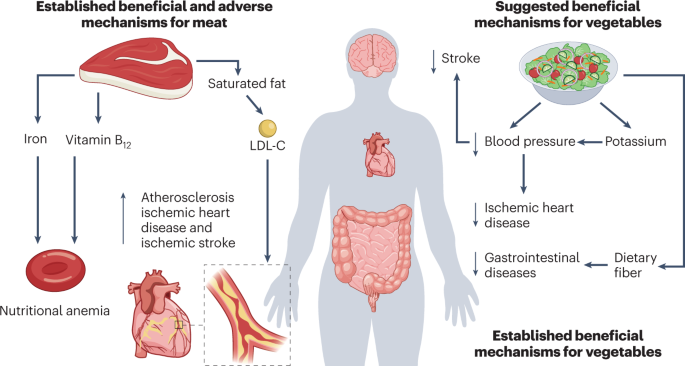
Is red meat dangerous for you? A lot of the time, heart health is at the center of the dispute. Saturated fat is found in red meat, and it has long been thought to raise cholesterol levels. But new research shows that the link between saturated fat and heart disease is more complicated than people used to think.
Not all saturated fats act the same way in the body, and the entire diet is very important. Eating a lot of veggies, whole grains, and healthy fats may help lessen the bad consequences of eating red meat in moderation.
Lean cuts of red meat have less saturated fat and can be part of a heart-healthy diet. Controlling how much you eat is also very important. Eating a lot of food often can lead to eating too many calories and gaining weight, which can indirectly harm heart health.
So, when thinking about whether or not red meat is dangerous for your heart, moderation and quality are two important things to keep in mind.
Red Meat, Controlling Your Weight, and Your Metabolism
Another way people wonder if red meat is hazardous for you is in terms of weight loss. Red meat has a lot of calories, but it also fills you up since it has a lot of protein. Protein helps control hunger by making you feel full and keeping your blood sugar levels constant.
Some people may be able to keep their muscle mass while losing weight by eating moderate amounts of red meat as part of a calorie-controlled diet. Muscle tissue is vital for metabolic health because it affects how well the body burns energy.
Eating a lot of red meat with refined carbs and sugary drinks can cause problems. In many situations, the problem is not red meat itself, but eating too many calories.
Cultural and Personal Variations in Red Meat Intake
Another thing to think about when deciding if red meat is hazardous for you is the culture. Red meat is a common part of a healthy and diverse diet in many places. These diets frequently focus on natural foods, veggies that are in season, and being aware of what you consume.
Individual variances are important too. How the body reacts to red meat depends on genetics, digestive health, how much exercise you do, and any health problems you already have. What seems like a fair amount for one person could be too much for someone else.
Following general dietary recommendations isn’t as helpful as paying attention to your body’s signals and thinking about your own health goals.
Is it Bad for You to Consume Red Meat in Moderation

There is no clear answer to the question of whether or not red meat is bad for you after looking at the research. Most people don’t seem to be harmed by eating moderate amounts of unprocessed red meat that has been cooked in better ways and is part of a balanced diet.
Health issues mainly come from eating too much, eating processed red meat too much, and not eating enough plant-based meals. Balance, diversity, and being aware of what you eat are still important parts of optimal nutrition.
How to Include Red Meat in Your Diet Wisely
Knowing how to consume red meat in a healthy way will help you stop worrying about whether or not it’s unhealthy for you. Choosing lean cuts, minimizing portion sizes, and eating red meat with vegetables and whole grains all help improve the quality of your diet.
Eating red meat only a few times a week instead of every day can also help keep your diet balanced. Paying attention to how you cook and not letting anything become too charred will also lower the hazards.
Conclusion: Rethinking the Question Is Red Meat Bad for You
The persistent dispute about whether red meat is unhealthy for you shows that nutritional science has some big problems. In general, foods are not healthy or terrible on their own. Their effects on health depend on the situation, the amount, and the quality.
Red meat is still a good source of important nutrients, but you should be careful about how much you eat. People can enjoy red meat without worrying too much if they focus on moderation, choose unprocessed meals, and eat a wide variety of plant-based foods.
In the end, the best way to stay healthy is not to cut out certain meals, but to make sure your behaviors are balanced and good for your long-term health.
Read More:- What Is Red Meat? Meaning, Types, Nutrition and Health Facts